
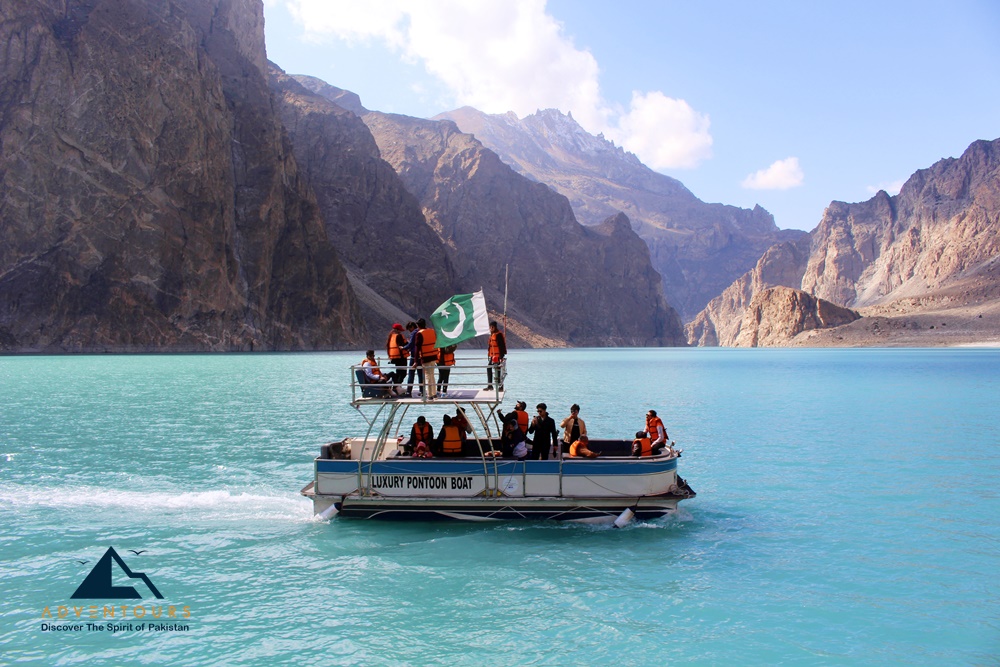
Ultimate Travel Guide to Pakistan
Ultimate Travel Guide to Pakistan: Essential Tips Every Visitor Must Know
If you’re searching for a truly unforgettable adventure, this travel guide to Pakistan for all visitors will help you explore one of the most diverse and culturally rich countries in South Asia.
Located at the crossroads of Central Asia, South Asia, and the Middle East, Pakistan shares borders with India, China, Afghanistan, and Iran, and stretches from the Arabian Sea in the south to the mighty Karakoram and Himalayan mountain ranges in the north. Home to over 240 million people, Pakistan offers breathtaking landscapes, ancient civilizations, vibrant cities, and warm hospitality that surprises many first-time travelers.
From the dramatic peaks of Hunza Valley and Skardu to the historical streets of Lahore and the coastal metropolis of Karachi, Pakistan is a destination filled with contrast and character. Its history spans the ancient Indus Valley Civilization, Mughal empires, colonial rule, and modern development — making it a treasure trove for culture lovers.
Let’s walk through everything you need to know before booking your trip.
Planning Your Itinerary
Pakistan is large and geographically diverse. Your itinerary should depend on the season and your interests.
Popular Routes for First-Time Visitors
- Northern Route (10–14 days): Islamabad →Naran → Fairy Meadows→ Hunza → Skardu → Islamabad
- Northwest (7-10 days): Islamabad →Peshawar → Swat→ Chitral → Kalash → Islamabad
- Cultural Route (5-8 days): Lahore → Multan → Bahawalpur → Islamabad → Peshawar
- Coastal & Urban Route (7-10 days): Karachi → Thatta → Bahawalpur→ Multan → Lahore
If you love mountains, focus on Gilgit-Baltistan. If you prefer history and architecture, Punjab and Sindh provinces are ideal.
Visa Requirements
Most travelers require a visa before arrival.
How to Get a Visa
Pakistan offers an online e-visa system through the official government portal:
https://visa.nadra.gov.pk/
You typically need:
- Passport copy
- Photograph
- Hotel booking
- Travel itinerary
Processing times vary from 5–15 business days.
Visa Extension
Extensions are possible within Pakistan via the Ministry of Interior online portal. Apply at least 30 days before expiry.
What to Pack
Packing wisely can make your trip comfortable.
Essentials:
- Modest clothing (see dress section below)
- Lightweight scarf (especially for women)
- Sunscreen & sunglasses
- Universal adapter
- Prescription medication
- Comfortable walking shoes
If heading north, pack warm layers even in summer.
Travel and Insurance
Travel insurance is strongly recommended. Ensure coverage includes:
- Emergency evacuation
- Mountain trekking
- Medical emergencies
Some remote regions lack advanced medical facilities.
How to Travel to Pakistan from Different Countries
By Air
Major international airports:
- Islamabad (ISB)
- Lahore (LHE)
- Karachi (KHI)
Airlines connect Pakistan with Europe, the Middle East, Asia, and North America. Most travelers transit through Doha, Dubai, Istanbul, or Abu Dhabi.
By Land
Border crossings include:
- Wagah Border (India)
- China-Pakistan Khunjerab Pass
- Taftan Border (Iran)
Land travel requires additional permits and preparation.
Best Time to Travel
Pakistan has varied climates.
Winter (November–March): Best for southern cities like Karachi and Lahore.
Blossom Season (April–May): Cherry blossoms in Hunza — absolutely magical.
Summer (June–September): Perfect for northern mountains. Southern cities can be extremely hot.
Autumn (October): Stunning fall colors in Hunza and Skardu.
Register with a Tour Operator
Not mandatory, but highly recommended for:
- Mountain expeditions
- Remote areas
- First-time visitors unfamiliar with logistics
A licensed tour operator simplifies permits and transportation.
Accommodation
Options include:
- Luxury hotels in major cities
- Boutique heritage hotels
- Guesthouses in the north
- Budget hostels
Book in advance during peak seasons.
Transportation Guide
- Domestic flights (fast but sometimes weather-dependent)
- Buses (affordable and widely available)
- Private drivers (recommended for comfort)
- Ride-hailing apps in cities
Road travel in northern areas can be long but scenic.
Food in Pakistan
Pakistani cuisine is rich, flavorful, and diverse.
Must-try dishes:
- Biryani
- Karahi
- Nihari
- Chapli kebab
- Fresh naan
Vegetarian options are available but limited in rural areas.
Drink bottled water only.
Sightseeing Highlights
- Hunza Valley
- Fairy Meadows
- Skardu & Shigar
- Lahore City
- Karachi City
- Mohenjo-Daro
- Peshawar
- Swat Valley & Takht e Bahi
Nature lovers, history enthusiasts, and photographers will be thrilled.
SIM Cards, Internet, and Connectivity
Local SIM cards are easy to purchase at airports.
Major providers:
- Jazz
- Zong
- Telenor
You’ll need passport registration.
4G coverage is strong in cities; remote mountains may have limited signal.
Currency and Credit Cards
Currency: Pakistani Rupee (PKR)
ATMs are widely available in cities. Carry cash for rural regions.
Do Credit Cards Work?
Accepted in:
- Major hotels
- Upscale restaurants
- Shopping malls
Cash remains dominant elsewhere.
Shopping
Popular items:
- Handwoven carpets
- Pashmina shawls
- Onyx stone crafts
- Truck art souvenirs
- Traditional clothing
Bargaining is expected in markets.
Holidays
Public holidays may affect transportation and business hours.
Major ones include:
- Eid-ul-Fitr
- Eid-ul-Adha
- Pakistan Independence Day (August 14)
Fairs & Festivals
- Shandur Polo Festival
- Basant (kite festival in Lahore)
- Kalash Festivals
- Urs Sufi celebrations
These events offer deep cultural experiences.
Language
Official languages:
- Urdu
- English
English is widely spoken in:
- Hotels
- Airports
- Tourist areas
- Major cities
Rural areas may require translation help.
People of Pakistan
Pakistani people are famously hospitable. Guests are treated with deep respect.
You may receive invitations for tea or meals — hospitality is cultural pride.
Cultural Etiquettes and Clothing
What to Wear
Men:
- Long pants
- T-shirts or button shirts
Women:
- Loose clothing
- Long sleeves
- Scarf recommended
What to Avoid
- Shorts in rural areas
- Tight or revealing clothing
- Public displays of affection
Respecting local customs earns admiration and warmth.
FAQs
- What is the best time to visit Pakistan?
- April–October: Northern mountains
• November–March: Southern cities
• Spring and autumn are ideal overall.
- Do I need a guide in Pakistan?
Not legally required in most tourist areas. However, a local guide enhances understanding and simplifies logistics.
- Can solo female travelers visit Pakistan?
Yes. Many do successfully with structured itineraries and conservative dress.
- Is English widely spoken?
Yes in hotels, airports, and major cities.
- Is alcohol available?
Restricted. Available only to non-Muslims at licensed hotels.
- What currency is used?
Pakistani Rupee (PKR).
- Do credit cards work?
Yes in major establishments; cash preferred elsewhere.
Is it safe to travel in Pakistan?
Pakistan is not as dangerous as portrayed. Media narratives often exaggerate risks, while some influencers underplay them.
The truth? Every country carries some level of risk.
Most tourist regions are safe, particularly northern Pakistan and Punjab. Major cities have improved security significantly.
Are Theft/Muggings a Problem?
Not widely. Pakistan is deeply religious and community-oriented. Petty theft is less common than in many Western cities.
Karachi has higher crime rates than other cities, but most tourists report feeling safe.
Practice normal precautions:
- Keep valuables secure
- Avoid isolated areas at night
- Use registered taxis
Is Sexual Assault a Major Problem?
Solo female travelers can visit successfully. However, conservative cultural norms mean women should take additional precautions:
- Avoid one-on-one invitations from unfamiliar men
- Dress conservatively
- Limit prolonged eye contact
- Avoid physical contact such as hugs
These steps are precautionary, not fear-based.
Final Thoughts
This travel guide to Pakistan for visitors shows that Pakistan is a destination of incredible beauty, cultural depth, and unmatched hospitality. While it requires thoughtful preparation, the rewards are immense.
From towering peaks and ancient ruins to vibrant bazaars and heartfelt welcomes, Pakistan offers experiences that linger long after you leave.
Travel smart. Dress respectfully. Stay aware. And most importantly — come with an open mind.
You might just discover one of the world’s best-kept travel secrets.


Comments are closed