
Pakistan offers a remarkable tapestry of faiths, histories, and living traditions, where centuries-old religious heritage continues to thrive alongside modern life. This carefully curated journey through Punjab and Khyber Pakhtunkhwa (KPK) is designed to highlight the country’s spiritual diversity—bringing together Islamic, Sikh, Hindu, Christian, and Buddhist landmarks into one cohesive and enriching experience. While Islam is the predominant religion, the presence of vibrant minority communities and preserved sacred sites reflects a long-standing culture of coexistence and respect.
The journey begins in Islamabad, a modern capital that seamlessly blends contemporary architecture with deep-rooted traditions. Here, visitors explore the iconic Faisal Mosque, one of the largest mosques in the world, alongside historic sites in nearby Rawalpindi, including temples, gurdwaras, and colonial-era churches. This introduction sets the tone for a journey that celebrates accessibility to diverse places of worship that remain open and welcoming.
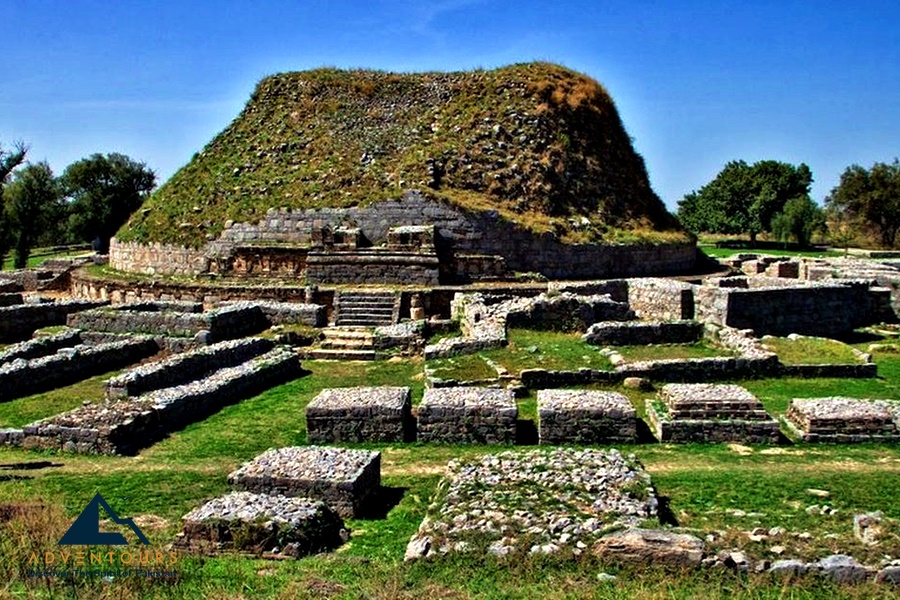
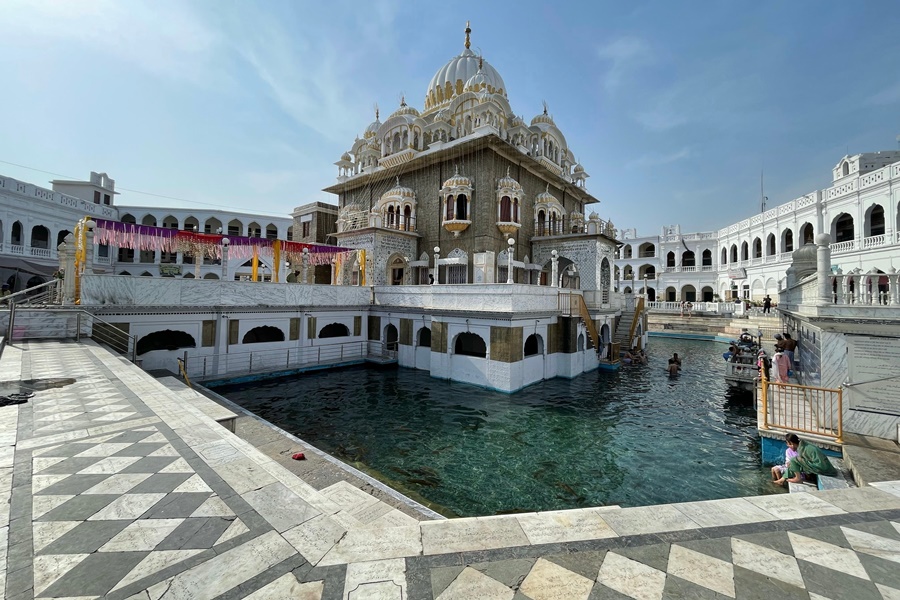
Traveling further, the tour ventures into the ancient city of Taxila, a UNESCO World Heritage site and once a thriving center of Buddhist learning. The ruins—monasteries, stupas, and ancient universities—offer profound insight into the Gandhara civilization and the spread of Buddhism across Asia. Nearby, the sacred Sikh site of Gurdwara Panja Sahib holds deep spiritual significance, commemorating the visit of Guru Nanak.
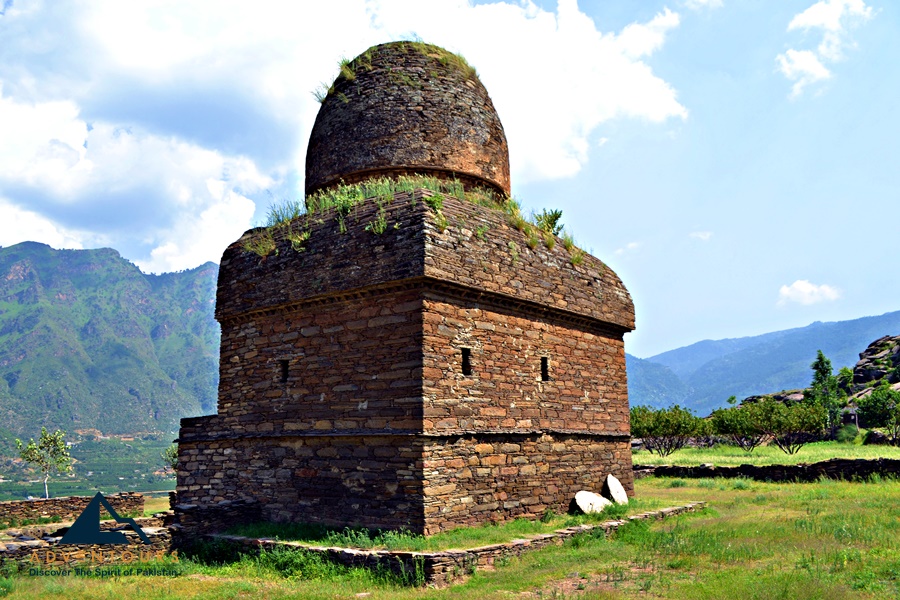
In Khyber Pakhtunkhwa, the tour explores the extraordinary Takht-i-Bahi, one of the best-preserved Buddhist monastic complexes in the region, along with the lush valleys of Swat, often referred to as the “Switzerland of the East.” These landscapes not only offer natural beauty but also reveal layers of Buddhist heritage embedded in the mountains.
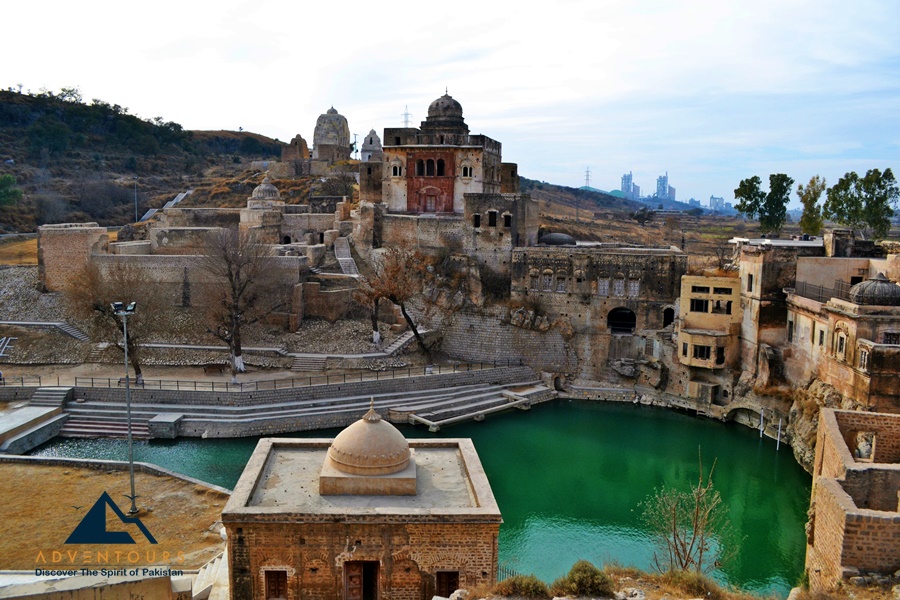
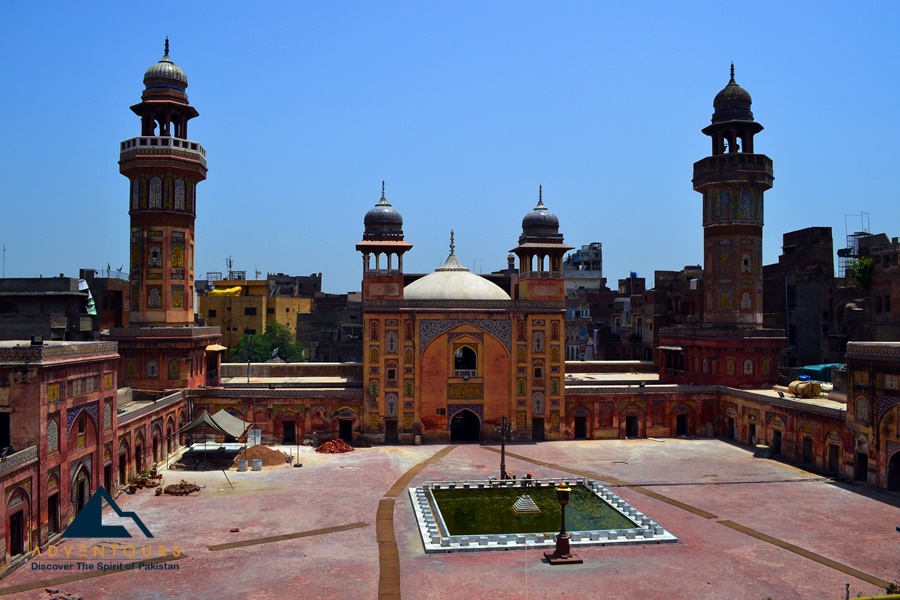
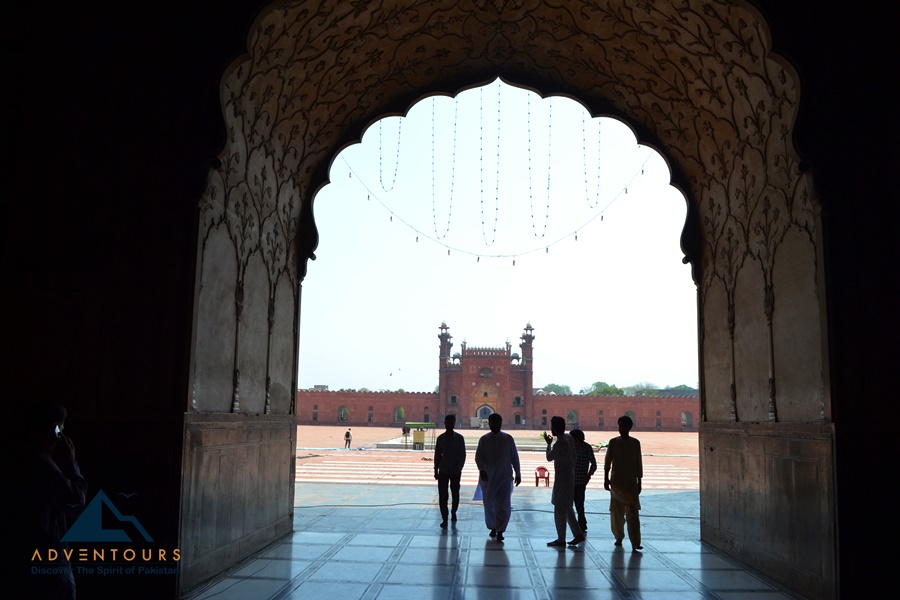
Returning to Punjab, the spiritual richness continues with visits to Katas Raj Temples, an ancient Hindu pilgrimage site linked to the epic Mahabharata. The journey then leads to Lahore, Pakistan’s cultural heart, where Mughal masterpieces like the Badshahi Mosque and Lahore Fort stand alongside churches, mandirs, and gurdwaras, reflecting the city’s pluralistic identity.
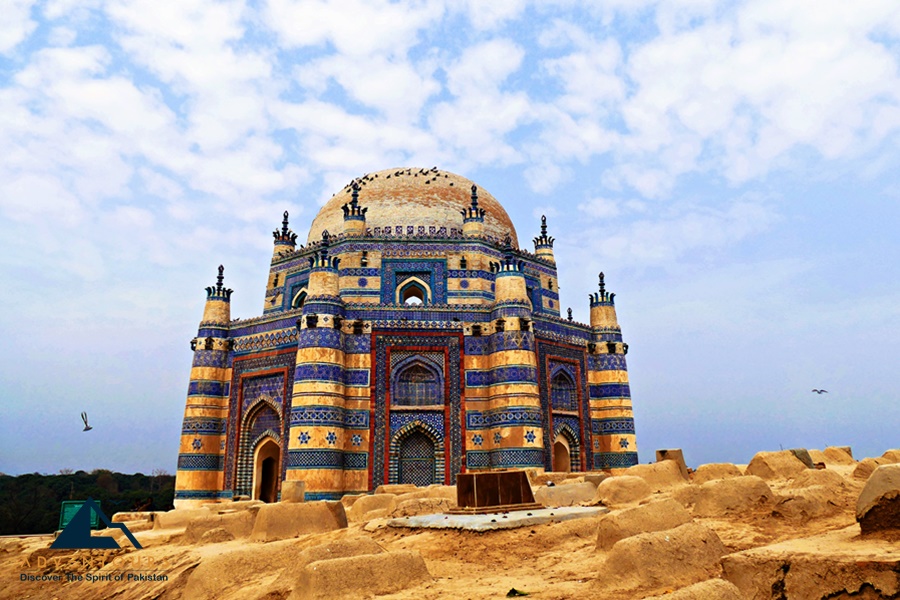
Further south, Multan—known as the “City of Saints”—offers a deeply spiritual experience through its renowned Sufi shrines, including those of Bahauddin Zakariya and Shah Rukn-e-Alam. The journey continues to Uch Sharif, where centuries-old tombs and shrines highlight the enduring legacy of Sufism.
This immersive 14-day tour is more than a sightseeing itinerary; it is a meaningful exploration of Pakistan’s spiritual landscape. By focusing on accessible and active religious sites, it ensures travelers experience not only historical monuments but also living traditions. Blending architecture, history, and faith, this journey offers a rare opportunity to witness the peaceful coexistence and cultural richness that define Pakistan’s identity.