
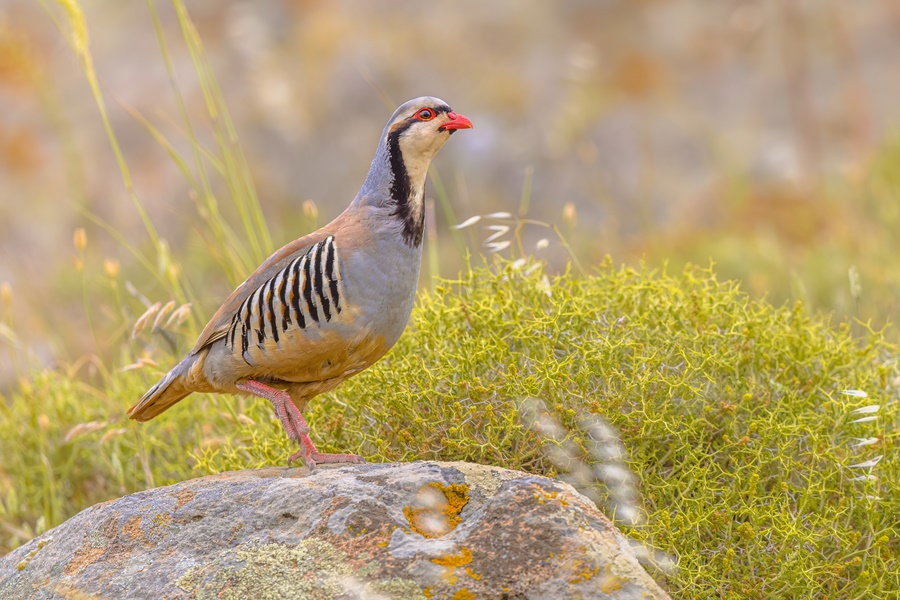
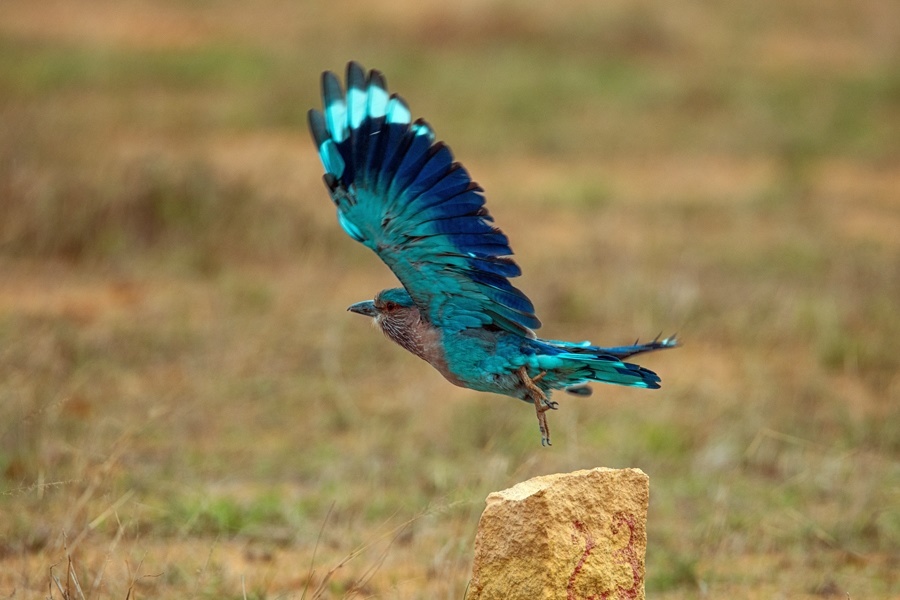
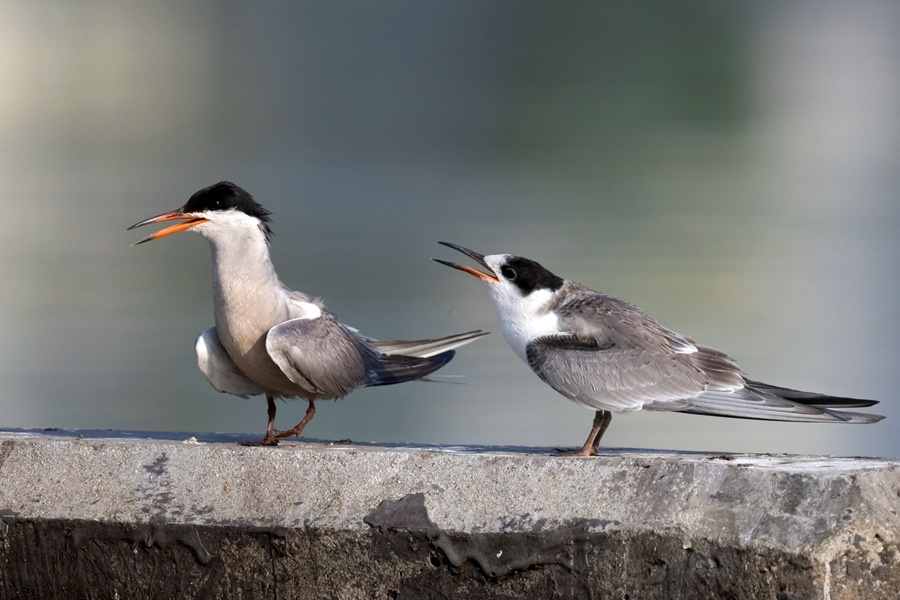
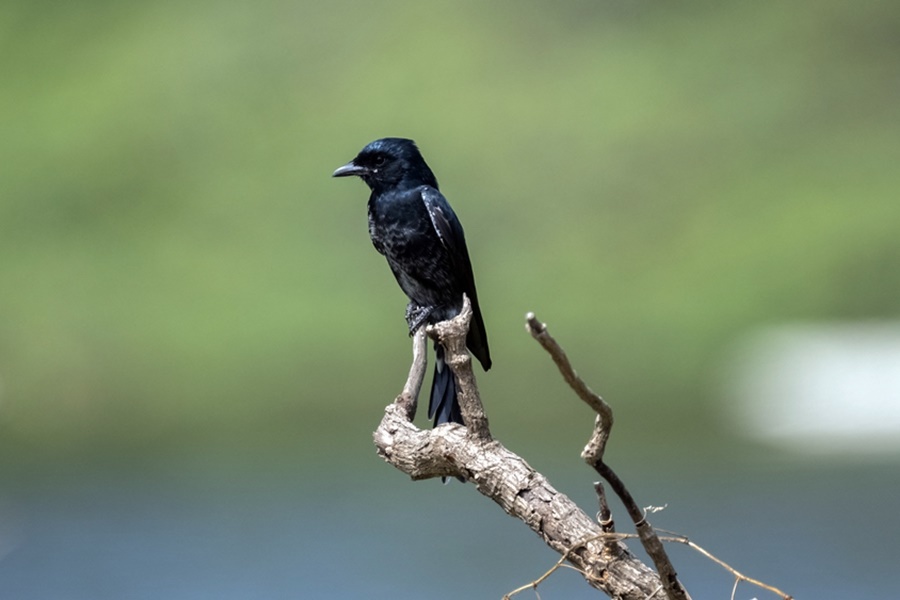
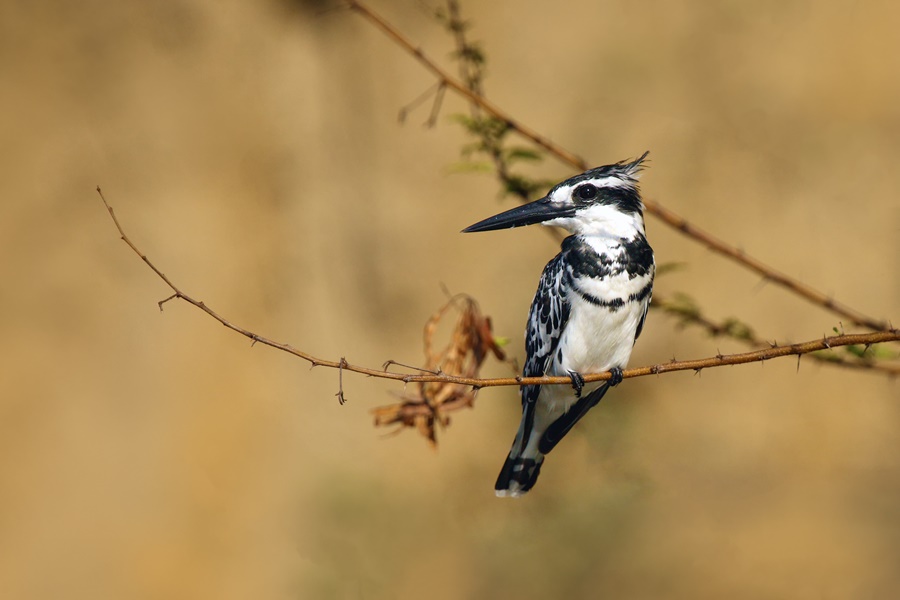
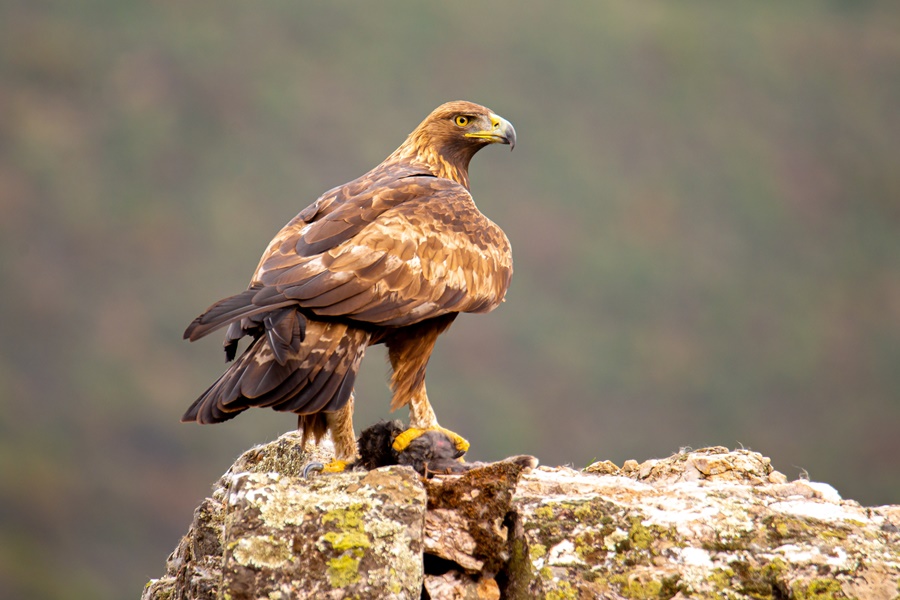
Pakistan is one of South Asia’s most rewarding yet underexplored birding destinations, strategically located along the Central Asian Flyway—one of the world’s main migration corridors. This unique positioning allows birders to witness an extraordinary overlap of resident, wintering, and passage migrants, with over 700 recorded species across an exceptional range of habitats. From coastal wetlands and desert ecosystems to alpine forests and Himalayan foothills, Pakistan offers a level of ecological diversity that few countries can match.
The journey typically begins in Karachi, where the Arabian Sea meets a rich mosaic of mangroves, mudflats, and sandy beaches. Sites such as Sandspit, Hawks Bay, and the Indus Delta host an abundance of birdlife, particularly in winter when migratory species arrive in large numbers. Flocks of flamingos, pelicans, spoonbills, herons, and waders create a dynamic coastal spectacle, while rarer sightings like the Dalmatian pelican and Pallas’s fish eagle add to the excitement for serious birders.
Moving inland, the freshwater lakes of Sindh—particularly Haleji Lake and Keenjhar Lake—rank among Asia’s most important wintering grounds for waterfowl. These wetlands support vast congregations of ducks, grebes, cormorants, storks, and herons, offering both diversity and sheer volume that can be overwhelming in the best sense.
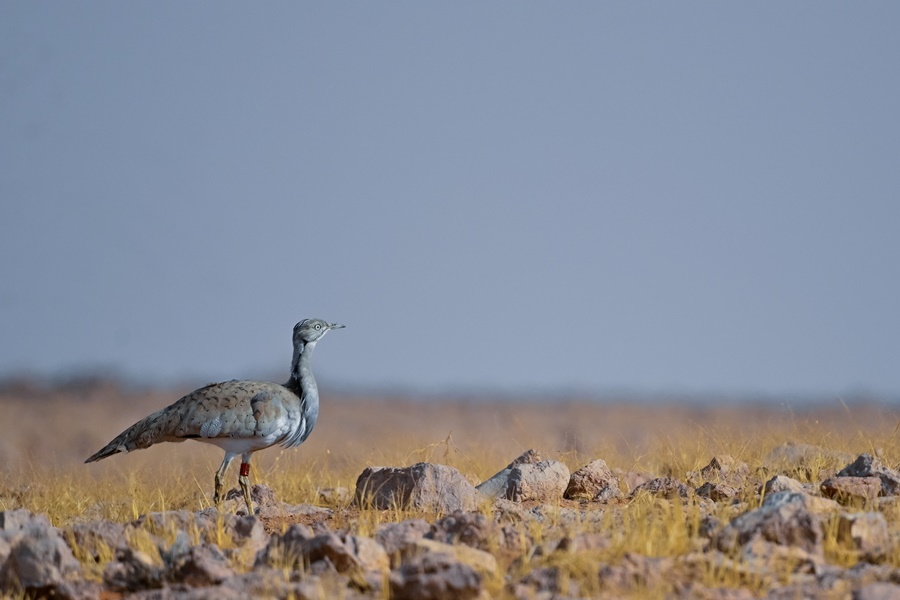
The landscape shifts dramatically as you travel to Bahawalpur and the surrounding Cholistan Desert. Here, birding takes on a more specialized character, with desert-adapted species such as the Houbara bustard, sandgrouse, and coursers thriving in the arid terrain. The stark beauty of the desert, combined with nocturnal bird activity under clear, star-filled skies, offers a completely different yet equally captivating experience.
Further north, the Salt Range introduces rocky escarpments and saline lakes like Kallar Kahar Lake, where flamingos and grebes gather against a dramatic geological backdrop. The transition continues into the cool, forested elevations of the Murree Hills, where pine forests host a rich variety of woodland birds including flycatchers, woodpeckers, and, with luck, elusive pheasants.
The journey concludes in Islamabad, a city uniquely positioned at the foothills of the Himalayas. The Margalla Hills National Park and Rawal Lake provide excellent birding opportunities, combining woodland and wetland habitats in close proximity. Here, species such as ospreys, ducks, warblers, and sunbirds can be observed in a calm and accessible environment.
What makes birding in Pakistan truly exceptional is not just the diversity of species, but the dramatic transitions in landscape within relatively short distances. It is a journey that blends ornithological richness with cultural depth and scenic grandeur—offering birders an immersive experience from the mangrove-fringed coastlines of the Arabian Sea to the forested hills of the north.
Highlights
- Explore Pakistan along the Central Asian Flyway, one of the world’s key bird migration routes
- Birding across diverse ecosystems—coastal wetlands, freshwater lakes, deserts, and mountain forests
- Exceptional coastal birding in Karachi with flamingos, pelicans, and migratory waders
- Visit internationally significant wetlands like Haleji Lake and Keenjhar Lake
- Experience unique desert birding in the Cholistan Desert, home to species like the Houbara bustard
- Scenic birding stops in the Salt Range and Kallar Kahar Lake
- Forest birding in the lush Murree Hills and Margalla Hills National Park
- Combination of resident and migratory species, offering excellent opportunities for bird photographers and enthusiasts
- A well-paced journey blending birding, landscapes, and cultural transitions across Pakistan