

Why visit Pakistan?
Why Visit Pakistan?
Why Visit Pakistan?
15 Reasons to Add Pakistan to Your Travel List
Pakistan is a destination that can surprise even the most experienced traveler. From the towering peaks of the Karakoram to the beaches of the Arabian Sea, from ancient civilizations and centuries-old forts to vibrant bazaars and some of South Asia’s most distinctive cuisines, Pakistan offers an extraordinary range of experiences within a single country.
For travelers looking beyond conventional tourist destinations, Pakistan offers something increasingly rare: discovery. You can walk through ancient streets in Lahore in the morning, explore the archaeological remains of Gandhara in the afternoon, or wake up beneath some of the world’s highest mountains a few days later. In the north, spectacular valleys such as Hunza and Skardu combine immense natural beauty with living cultures, while Punjab, Sindh, Balochistan, Khyber Pakhtunkhwa, and Islamabad each reveal a different side of the country.
Whether you are interested in mountain adventures, cultural tourism, history, photography, food, wildlife, luxury travel, or authentic local experiences, Pakistan deserves a place on your travel list.
Here are 15 compelling reasons to visit Pakistan.
Experience Some of the World’s Greatest Mountains
Perhaps the strongest reason to visit Pakistan is its extraordinary mountain landscape.
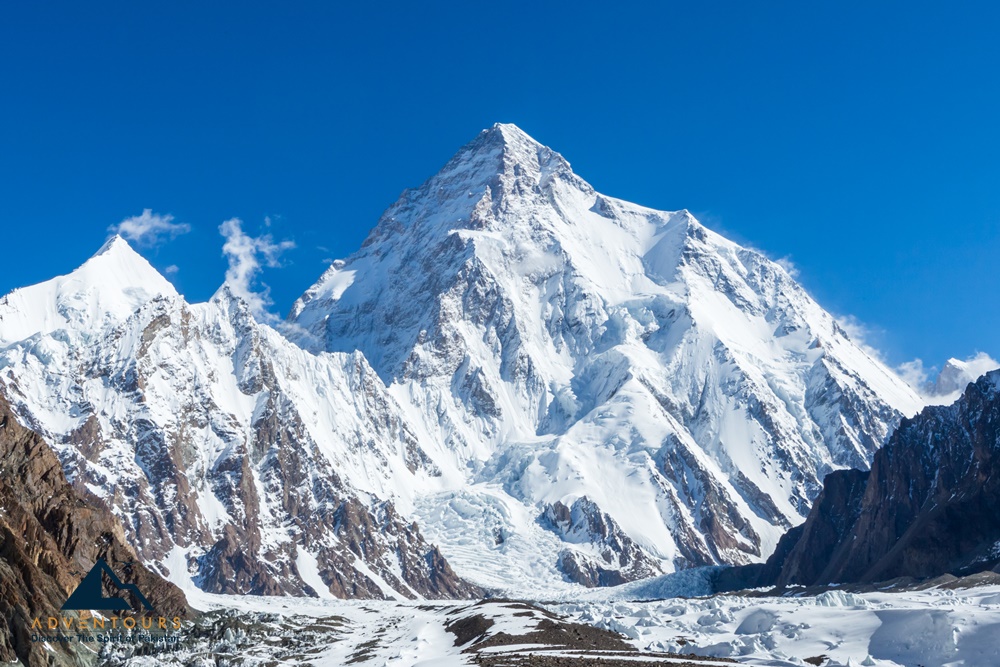
Pakistan is home to some of the world’s highest peaks, including K2, the second-highest mountain on Earth, as well as Nanga Parbat, Broad Peak, Gasherbrum I, and Gasherbrum II. The country’s northern territories bring together the Karakoram, Himalaya, and Hindu Kush mountain systems, creating an exceptional landscape of snow-covered summits, glaciers, deep valleys, alpine lakes, and dramatic gorges.
You do not necessarily have to be a mountaineer to experience these mountains.
Destinations such as Hunza, Skardu, Fairy Meadows, Astore, Naltar, Passu, and Shigar provide spectacular mountain scenery without requiring a technical climbing expedition.
For adventure travelers, however, Pakistan offers world-class possibilities, including the K2 Base Camp Trek, Baltoro Glacier Trek, Gondogoro La, Biafo-Hispar, and numerous high-altitude trekking routes.
For photographers, the mountains provide an almost endless collection of landscapes.
Discover the Spectacular Valleys of Northern Pakistan
Northern Pakistan is often the first region that comes to mind when travelers discover the country—and for good reason.
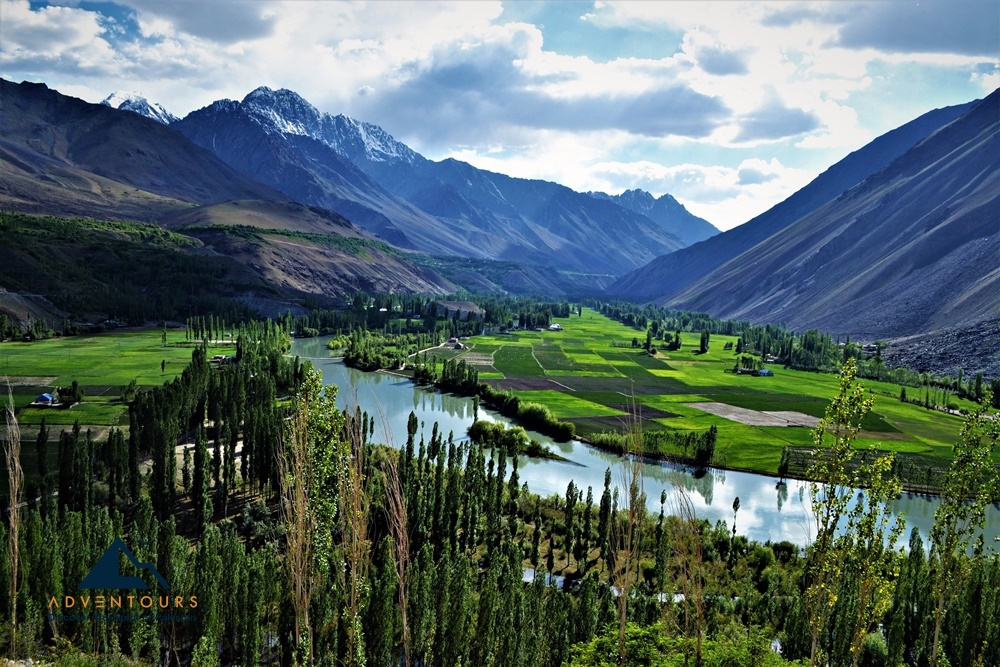
The valleys of Hunza, Skardu, Shigar, Khaplu, Nagar, Ghizer, Phander, Astore, Swat, Chitral, and Kumrat each possess their own character.
Hunza is known for its dramatic mountain setting, historic forts, terraced fields, orchards, and welcoming communities. Skardu combines vast mountain landscapes with turquoise lakes, deserts, forts, and access to some of the world’s greatest trekking routes.
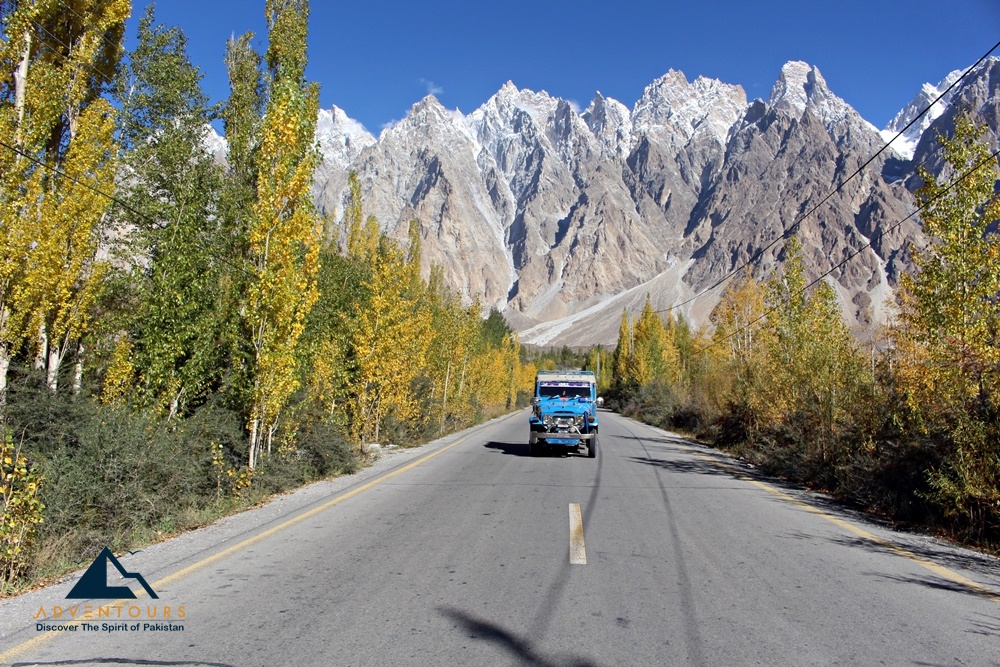
In autumn, the valleys become particularly spectacular as poplar, willow, and fruit trees turn brilliant shades of gold, orange, and red.
In spring, apricot, cherry, almond, and apple blossoms transform entire valleys into colorful gardens.
Summer opens access to high-altitude destinations, while winter brings snow-covered landscapes and opportunities for skiing and other cold-weather experiences.
Pakistan’s northern valleys are not simply places to see—they are places to experience.
Travel Through Thousands of Years of History
Pakistan’s history stretches far beyond the modern nation.
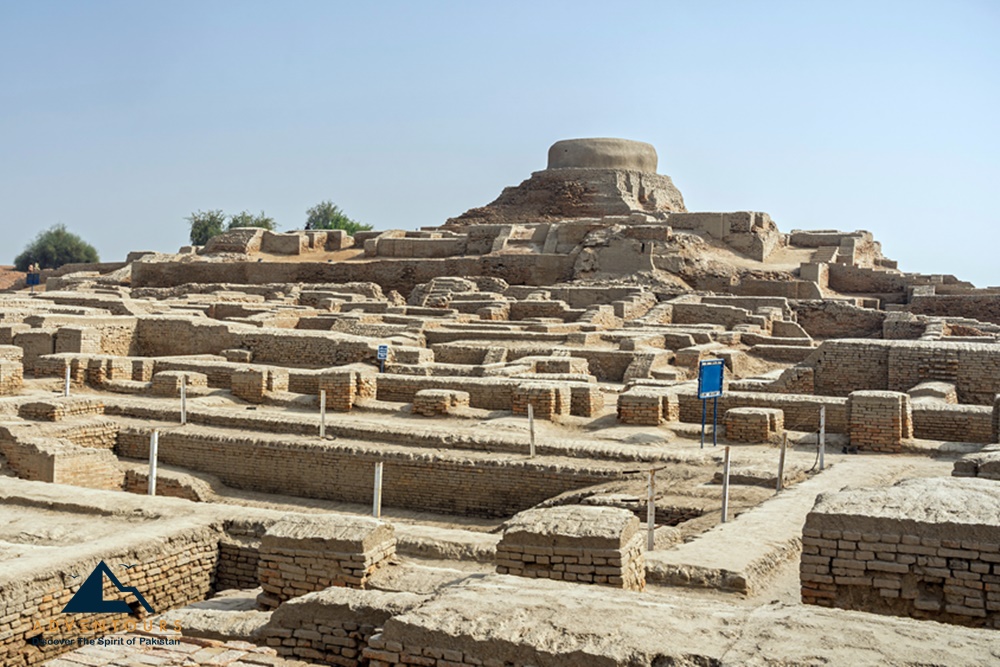
The region was home to the Indus Valley Civilization, one of the world’s earliest urban civilizations. The archaeological site of Mohenjo-daro provides an extraordinary window into life more than 4,000 years ago, while Harappa reveals another major center of this ancient civilization.
Centuries later, the region became an important center of Buddhism and the ancient Gandhara Civilization. Taxila, Peshawar, Swat, and surrounding areas contain archaeological remains, monasteries, sculptures, and ancient settlements associated with this fascinating period.
The historical story continues through the Mauryan, Kushan, Islamic, Mughal, Sikh, and British periods.
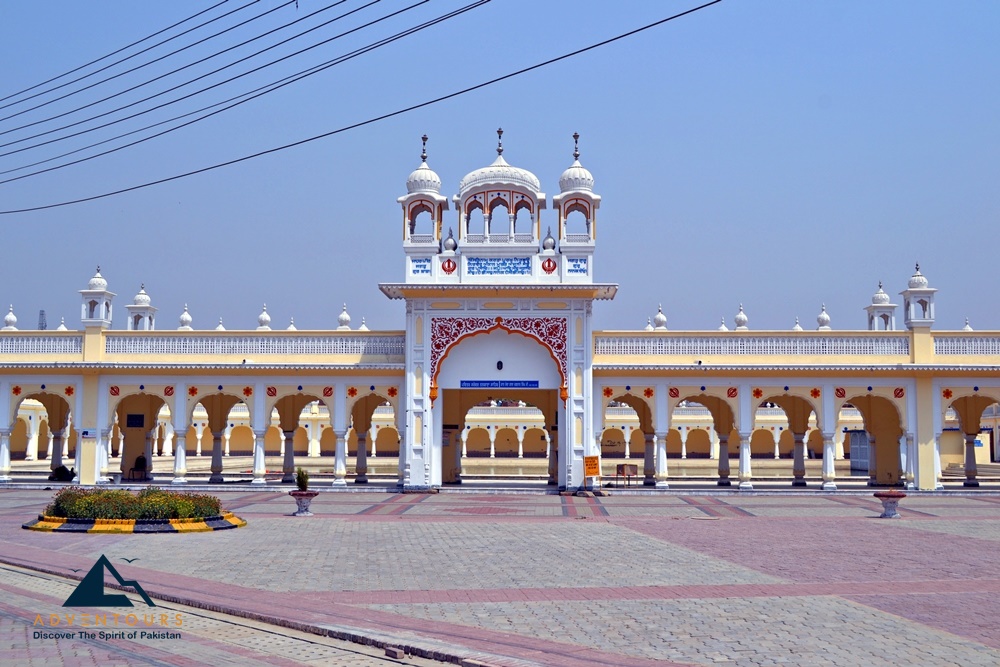
Traveling through Pakistan can therefore feel like moving through a living history book—where ancient archaeological sites, medieval forts, Mughal monuments, colonial buildings, mosques, shrines, and traditional settlements coexist.
Explore the Magnificent Heritage of Lahore
If Pakistan had a city that could serve as a living museum of South Asian history and culture, it would be Lahore.
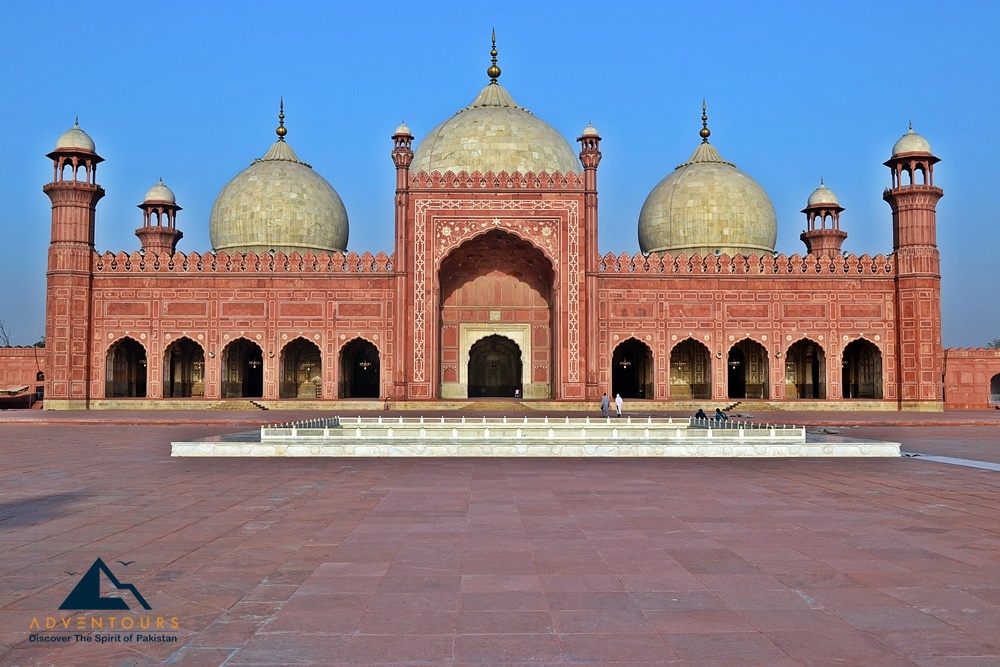
The historic Walled City of Lahore contains some of the country’s most extraordinary architectural treasures. The Lahore Fort, Badshahi Mosque, Wazir Khan Mosque, and Shalimar Gardens represent different dimensions of the city’s Mughal heritage.
But Lahore is not only about monuments.
Its narrow streets, colorful bazaars, traditional food, truck art, historic neighborhoods, tea stalls, bookshops, and lively social culture make the city an immersive experience.
And then there is the food.
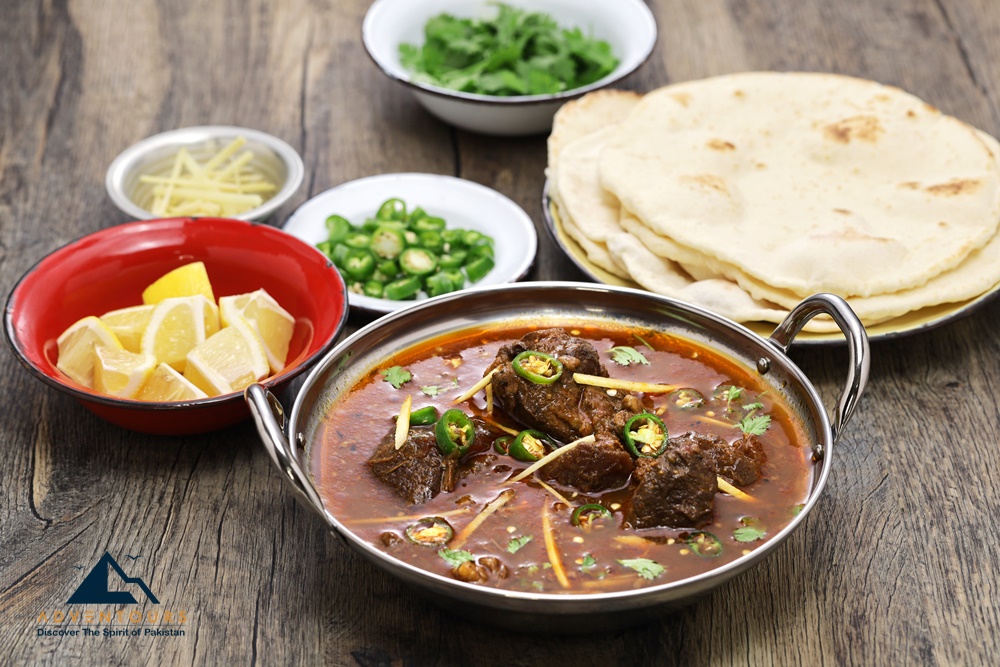
A visit to Lahore would be incomplete without experiencing dishes such as nihari, paya, haleem, biryani, kebabs, chargha, lassi, and a variety of traditional sweets and street foods.
Lahore is where history and everyday life meet.
Taste One of South Asia’s Most Diverse Cuisines
Pakistan is a destination for travelers who believe that food is an essential part of discovering a culture.
Pakistani cuisine changes dramatically from region to region.
In Punjab, expect rich curries, grilled meats, tandoori breads, biryani, nihari, and lassi. Sindh offers distinctive rice dishes, seafood, and spicy regional cuisine. Balochistan is famous for meat dishes such as sajji. Khyber Pakhtunkhwa brings hearty Pashtun cuisine, while Gilgit-Baltistan has its own mountain traditions.
In Hunza, travelers can discover dishes such as chapshoro, mamtu, daudo, and local breads, along with apricot-based products. Baltistan offers traditional dishes including balay, skyu, thukpa, and various meat and noodle preparations.
Food is also one of the easiest ways to connect with local people.
A meal in Pakistan can become an opportunity to sit with a family, talk to your host, learn about regional traditions, and understand how geography and history have shaped local cuisine.
Experience Genuine Pakistani Hospitality
Ask many travelers what surprised them most about Pakistan, and hospitality is likely to be high on the list.
Guests are often welcomed warmly, offered tea, invited to share a meal, and treated with remarkable generosity.
This hospitality is particularly noticeable in mountain communities, where visitors may encounter families and local residents who are eager to introduce them to their culture and way of life.
In places such as Hunza, Skardu, Chitral, and rural Punjab, interactions with local communities can become some of the most memorable moments of a trip.
For many travelers, the mountains may initially attract them to Pakistan—but the people are what make them want to return.
Witness Pakistan’s Extraordinary Cultural Diversity
Pakistan is not culturally homogeneous.
Its geographical diversity has produced an equally fascinating cultural landscape.
Punjabi, Sindhi, Pashtun, Baloch, Balti, Shina, Burusho, Wakhi, Kalash, and many other communities contribute to the country’s cultural identity.
Languages, clothing, music, architecture, food, festivals, traditions, and lifestyles vary considerably between regions.
Traveling from Lahore to Peshawar, Islamabad to Chitral, or Skardu to Hunza can therefore feel like entering entirely different cultural worlds.
For travelers interested in cultural tourism, Pakistan offers opportunities to observe traditional crafts, village life, local music, festivals, architecture, cuisine, and religious and historical traditions.
Experience Autumn and Blossom Season
Pakistan’s seasonal landscapes are another compelling reason to visit.
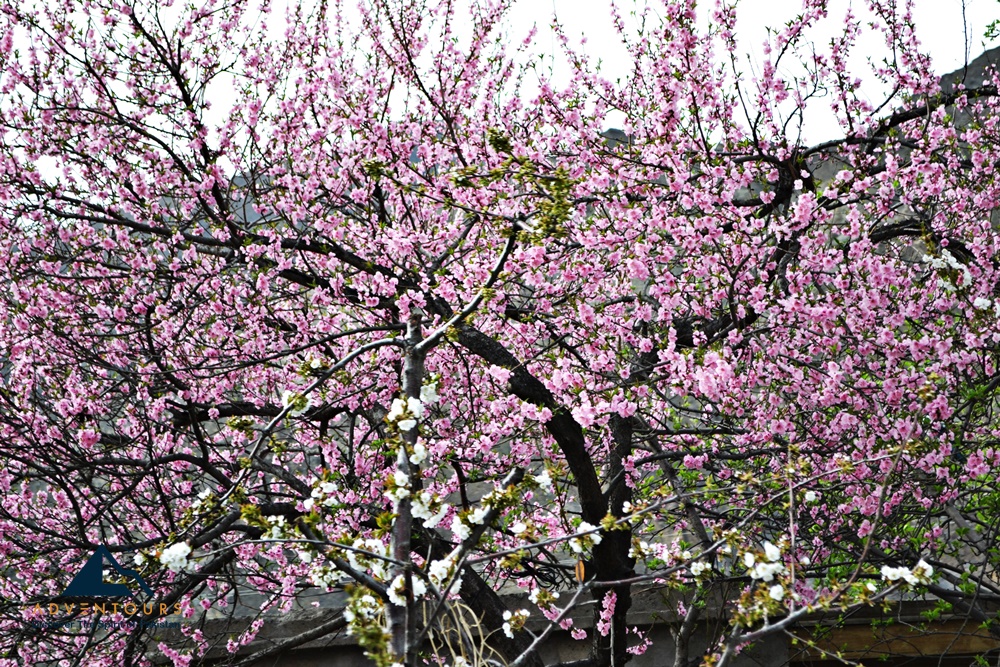
Spring blossom season transforms parts of Gilgit-Baltistan and northern Pakistan into spectacular landscapes of white and pink flowers. Apricot, cherry, almond, and apple trees burst into bloom, particularly around Hunza, Nagar, Skardu, and other valleys.
Then comes autumn.
From around October into November, many northern valleys turn into a spectacular palette of gold, amber, orange, and red. Hunza, Upper Hunza, Skardu, Gilgit, and surrounding valleys become particularly attractive for photographers and nature lovers.
Few experiences compare with standing beneath golden poplar trees while enormous snow-covered mountains rise behind them.
For travelers who appreciate seasonal scenery, autumn in Pakistan is an experience in its own right.
Photograph Landscapes That Look Almost Unreal
Pakistan is a dream destination for landscape photographers.
Consider the variety:
- Snow-covered peaks
- Turquoise alpine lakes
- Massive glaciers
- Golden autumn forests
- Spring blossoms
- High-altitude deserts
- Ancient forts
- Traditional villages
- Vast river valleys
- Dramatic mountain roads
- Historic mosques and bazaars
- Coastal landscapes
- Wildlife and remote wilderness
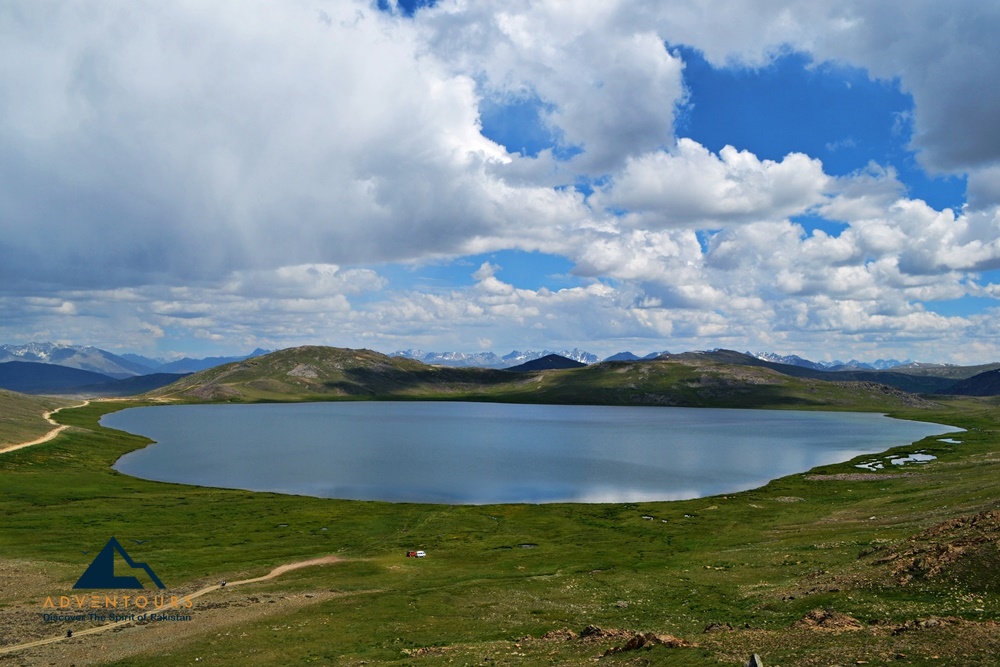
Iconic locations such as Attabad Lake, Passu Cones, Deosai Plains, Upper Kachura Lake, Fairy Meadows, Khunjerab Pass, Shigar, and Khaplu offer extraordinary photographic opportunities.
And beyond famous attractions, some of the most rewarding photographs may come from ordinary moments—farmers working in fields, children walking through village streets, local markets, traditional homes, or a sunset over a remote mountain valley.
Drive Some of Asia’s Most Spectacular Roads
For travelers who believe the journey is as important as the destination, Pakistan offers remarkable road experiences.
The Karakoram Highway is perhaps the most famous.
Connecting Pakistan with China, the highway passes through some of the most dramatic mountain scenery in the world. Depending on the route, travelers encounter enormous peaks, deep gorges, rivers, glaciers, villages, and high-altitude landscapes.
Road journeys through northern Pakistan can include spectacular routes between Islamabad and Gilgit, Gilgit and Hunza, Skardu and Shigar, Hunza and Khunjerab, and Skardu and Khaplu.
These journeys provide something that flying cannot: the gradual transformation of the landscape.
You see mountains become larger, valleys narrower, villages more remote, and the environment increasingly dramatic.
Discover Ancient Forts and Mountain Kingdoms
Pakistan’s northern valleys are home to fascinating historic forts that once belonged to local rulers and mountain kingdoms.
In Hunza, Baltit Fort and Altit Fort overlook the valley and provide insights into the region’s political and cultural history.
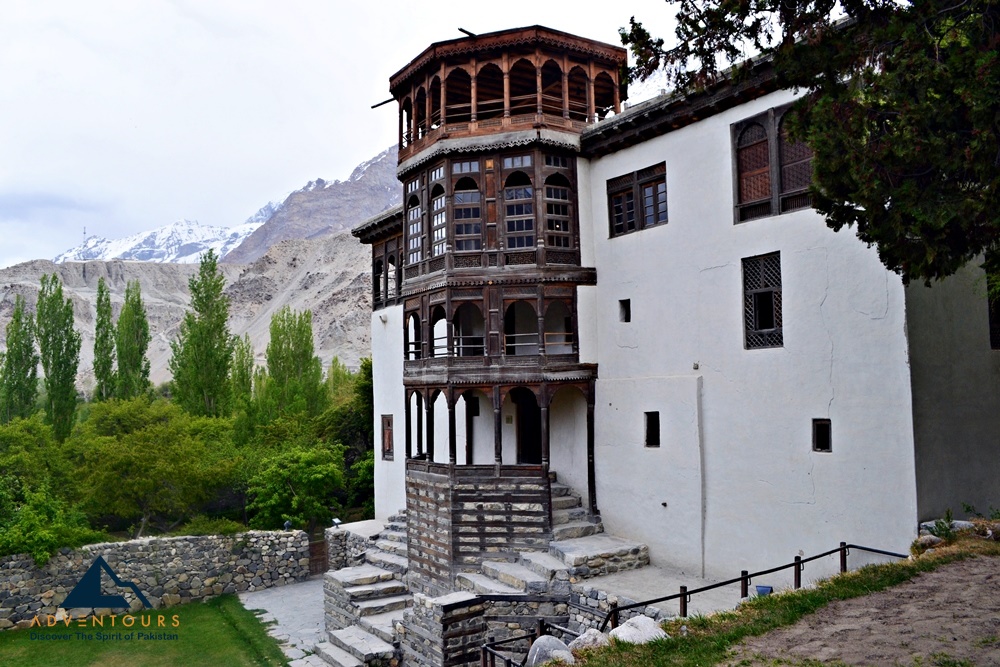
In Baltistan, Shigar Fort and Khaplu Palace reflect the architectural traditions and royal heritage of former local kingdoms.
These are not isolated monuments disconnected from their surroundings. They are deeply embedded within historic settlements, agricultural landscapes, mountains, and living communities.
Exploring them offers travelers a chance to understand how people historically adapted to life in some of the world’s most challenging environments.
Find Adventure at Every Altitude
Pakistan is an exceptional destination for adventure tourism.
Depending on your interests, you can go trekking, mountaineering, rafting, rock climbing, paragliding, skiing, mountain biking, jeep touring, camping, or simply hiking through remote valleys.
High-altitude adventurers can pursue some of the world’s most challenging trekking and mountaineering objectives.
Meanwhile, travelers looking for less demanding experiences can enjoy scenic hikes, village walks, lake excursions, jeep safaris, and mountain photography.
Pakistan’s geographical diversity means that adventure does not have to mean extreme physical challenge.
There is an experience for almost every level of traveler.
Explore Pakistan Beyond the Mountains
While northern Pakistan receives considerable attention, the rest of the country should not be overlooked.
Islamabad offers a modern, green capital surrounded by the Margalla Hills and provides an excellent introduction to Pakistan.
Rawalpindi reveals layers of colonial and traditional urban history.
Peshawar offers centuries of Pashtun culture and access to the historic Khyber region.
Multan is known for its Sufi heritage and historic shrines.
Bahawalpur offers spectacular palaces and access to the Cholistan Desert.
Karachi combines urban energy, colonial heritage, markets, beaches, and a vibrant culinary scene.
And along the coast, Balochistan offers rugged landscapes, fishing communities, beaches, and the spectacular Makran Coastal Highway.
Pakistan is therefore much more than a northern mountain destination.
Experience Luxury, Wellness and Authentic Travel in One Country
Pakistan is increasingly capable of offering travelers a combination of comfort and authenticity.
Luxury travelers can stay in heritage properties, premium mountain resorts, boutique hotels, and carefully selected accommodations while exploring some of the country’s most remote landscapes.
At the same time, Pakistan offers opportunities for wellness, meditation, nature retreats, cultural immersion, photography expeditions, and slow travel.
This combination is particularly attractive for travelers who want to experience destinations authentically without completely sacrificing comfort.
A carefully designed itinerary can combine heritage hotels, scenic mountain lodges, private transportation, local culinary experiences, cultural encounters, and exclusive excursions.
Experience a Destination That Still Feels Like an Adventure
Perhaps the most compelling reason to visit Pakistan is simple: there is still a sense of discovery.
Many of the country’s destinations remain outside the mainstream international tourism circuit. That means travelers can experience places where tourism has not completely transformed local life.
You can stand before a spectacular mountain and feel that you are seeing it for the first time. You can walk through a historic village without being surrounded by crowds. You can discover a traditional dish, meet a local family, or take a road that leads to a valley few people outside the region have heard of.
For curious travelers, that feeling is priceless.
Why Pakistan Should Be Your Next Destination
Pakistan is a country of contrasts and extraordinary variety. It is a place where K2 and ancient civilizations, Mughal architecture and modern cities, golden autumn valleys and Arabian Sea beaches, mountain villages and bustling bazaars exist within one national landscape.
You can come for the mountains and stay for the culture. You can come for the history and discover the food. You can come for adventure and leave remembering the people.
Most importantly, Pakistan rewards travelers who are willing to look beyond assumptions and experience the country firsthand.
From the Karakoram peaks of Gilgit-Baltistan to the historic streets of Lahore, the ancient ruins of Sindh to the cultural landscapes of Khyber Pakhtunkhwa and the remote coast of Balochistan, Pakistan offers an extraordinary spectrum of experiences.
If your idea of travel is not simply checking destinations off a list, but discovering places, meeting people, understanding cultures, tasting unfamiliar food, and returning home with stories few others can tell, Pakistan deserves a place on your travel list.
Services
Services included
- Tourist class air conditioned transportation with fuel, tolls, and parking fees
- Accommodation on twin sharing basis
- Entrance fees
- All meals (BLD) and refreshments
- Services of an English speaking guide
Services not included
- International/domestic air tickets
- Personal insurances and loss beyond human capacity
- Expenses of personal nature
- Anything not mentioned in the “Services Include” section
Things to carry
- Important personal medicine and first aid kit especially medicine for high altitude sickness
- Passport/CNIC/NICOP
- Cash in PKR. Dollar exchange rate will be offered low as compared to it in Islamabad.
- Warm layers of clothing, especially for Babusar and Khunjerab.
- Rain coat/umbrella, comfortable walking shoes, several pairs of socks, flip flops etc.
- Cap/hat, scarf, sun-block cream, sunglasses, water bottle, wet tissues, eye mask etc.
- Hairbrush/comb, shampoo, toothbrush, toothpaste, floss, shaving kit etc.
- Cell phone, charger, charging bank, ear plugs, camera, camera charger, memory card, tri port, etc
- Organic dry apricots from Hunza to consume in case of altitude sickness at Khunjerab
- Any reading material and paperwork you may need.

Comments are closed