Overview
Pakistan stands at the historic crossroads of South Asia, Central Asia, and the Middle East — a land where some of humanity’s earliest urban experiments, spiritual traditions, and imperial visions took shape. Its UNESCO-recognized World Heritage Sites are not merely national treasures; they are chapters of world history preserved in stone, brick, and sacred earth. Spread across the provinces of Sindh, Punjab, and Khyber Pakhtunkhwa, these sites narrate stories of ancient civilizations, Buddhist scholarship, Mughal grandeur, and medieval ingenuity.
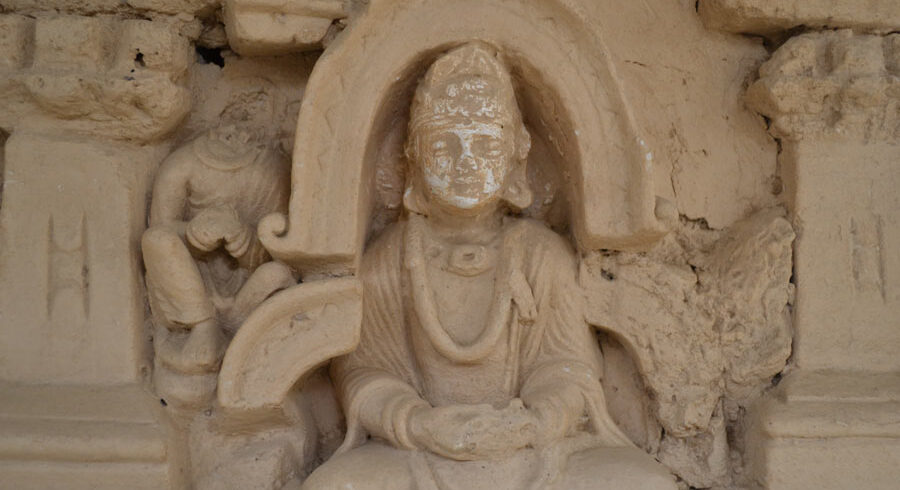
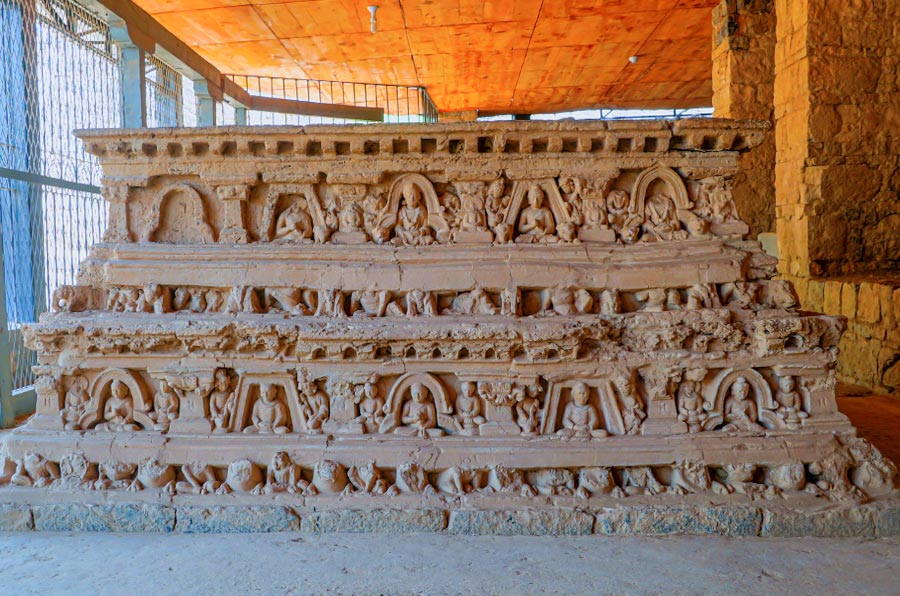
Your journey begins in the modern capital of Islamabad, but it quickly transports you thousands of years back in time to the ancient learning centers of Taxila. Once one of the greatest universities of the ancient world, Taxila flourished between the 5th century BCE and 2nd century CE as a crossroads of civilizations. Here, Persian administrators, Greek settlers of Alexander’s era, Central Asian traders, and Buddhist scholars converged. Walking among the ruins of stupas and monasteries, one encounters the refined artistry of Gandhara — where Hellenistic realism merged seamlessly with Buddhist spirituality. Carefully conserved archaeological zones and site museums today safeguard this remarkable testimony to intellectual and cultural exchange.
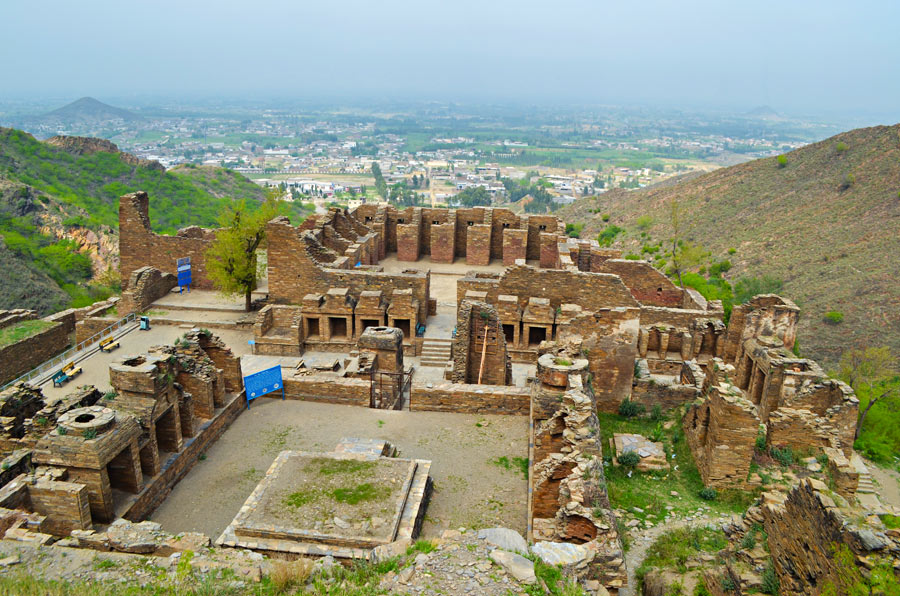
From Taxila, the journey ascends to the dramatic hilltop monastery of Takht-i-Bahi. Perched high above the plains of Khyber Pakhtunkhwa, this 1st-century CE Buddhist complex seems suspended between earth and sky. Its meditation cells, assembly halls, and stupas remain astonishingly intact, largely due to its elevated and isolated location. As one walks through its stone corridors, it is easy to imagine monks engaged in study and contemplation. Today, conservation efforts continue to stabilize its masonry, preserving one of the most complete monastic complexes of the ancient Buddhist world.
The narrative then shifts to the martial ambitions of the 16th century at Rohtas Fort. Built by Sher Shah Suri to secure his empire and guard the strategic Grand Trunk Road, this massive fortification reflects Afghan military engineering at its height. Its monumental gateways, defensive walls, and bastions remain impressively preserved, offering insight into the power struggles that shaped South Asian history.
Arriving in Lahore, the story unfolds into the splendor of the Mughal Empire at the Lahore Fort and the exquisite Shalimar Gardens. Within the fort’s Sheesh Mahal and marble pavilions, emperors once held court, projecting imperial authority through architecture and artistry. The terraced gardens, with their intricate hydraulic systems, embody the Mughal vision of paradise on earth. Both monuments are actively restored, preserving frescoes, pietra dura inlay, and water channels that still function centuries later.
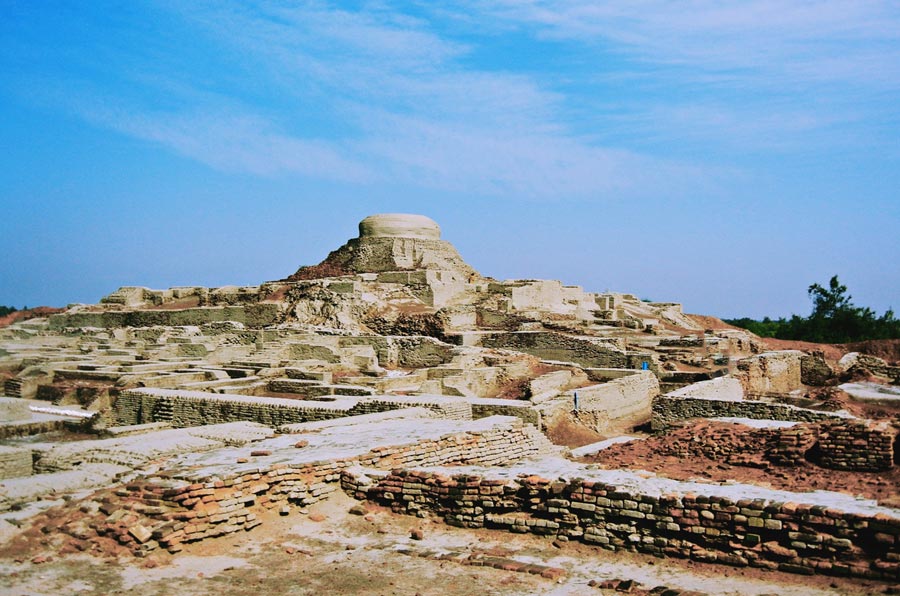
The journey then reaches far deeper into antiquity at Mohenjo-daro, one of the world’s earliest urban centers (c. 2600 BCE). Its grid-planned streets, sophisticated drainage systems, and monumental Great Bath testify to a remarkably advanced Indus Valley Civilization. Despite environmental challenges, international and national preservation initiatives strive to protect its fragile mud-brick structures for future generations.
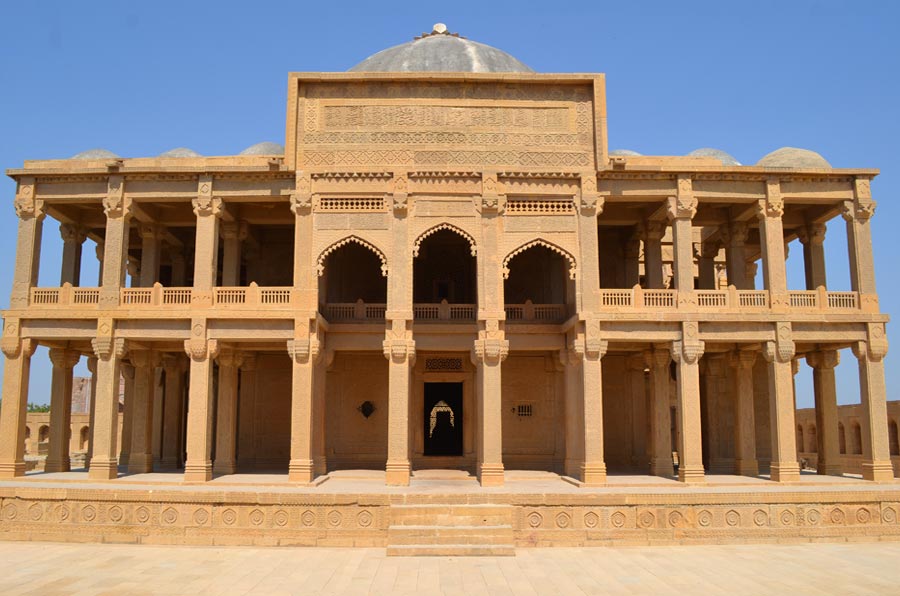
Finally, near the banks of the Indus in Sindh, the vast Makli Necropolis offers a poignant conclusion. Spanning four centuries, this immense funerary landscape reflects evolving Islamic art and architecture influenced by Central Asia, Persia, and the subcontinent. Intricately carved tombs stand as silent guardians of saints, scholars, and rulers, carefully conserved as part of one of the largest necropolises in the world.
From ancient urban planners and Buddhist scholars to Mughal emperors and medieval dynasties, this journey through Pakistan’s UNESCO World Heritage Sites is a continuous story of human ambition, faith, creativity, and resilience — a heritage not only of one nation, but of all humanity.
Highlights
- Explore the ancient Buddhist ruins of Taxila, a key center of Gandhara civilization near Islamabad.
- Visit the remarkable monastic complex of Takht-i-Bahi, one of the best-preserved Buddhist sites in South Asia.
- Discover the magnificent Mughal architecture of Lahore Fort and the exquisite Shalimar Gardens.
- Experience the grandeur of Rohtas Fort, an exceptional example of early Islamic military architecture.
- Explore the ancient Indus Valley Civilization at Mohenjo-daro, one of the world’s earliest urban settlements.
- Walk through the vast necropolis of Makli Necropolis, home to centuries-old tombs and intricate stone carvings.
- Visit the stunning Mughal-era Shah Jahan Mosque, renowned for its elaborate tile work and acoustics.
- Discover the historic port city remains at Archaeological Site of Banbhore, linked to early Islamic history in South Asia.
- Experience Pakistan’s diverse cultural landscapes—from the Himalayan foothills to the fertile plains of Punjab and the historic cities of Sindh.
- Engage with living traditions, local artisans, and regional cuisines that reflect Pakistan’s layered civilizational heritage.