Overview
The Buddhist Heritage of Gandhara Tour explores one of the most remarkable cultural landscapes of South Asia—Gandhara, a region that flourished for over a millennium and played a defining role in the spread of Buddhism across Asia. Situated in the valleys of the Indus and its tributaries, Gandhara encompassed present-day northern Pakistan and eastern Afghanistan, with major centers in Peshawar, Taxila, and the lush Swat Valley. Today, the region contains an extraordinary collection of monasteries, stupas, sculptures, and archaeological ruins that attract historians, archaeologists, and Buddhist pilgrims from around the world.
The roots of Gandhara stretch back to the early first millennium BCE, when it emerged as a prominent Indo-Aryan cultural region connected to the ancient trade route known as the Uttarapatha, linking the Indian subcontinent with Central Asia and the Iranian plateau. Its strategic location allowed it to absorb influences from multiple civilizations, including the Achaemenid Empire, the Greek campaigns of Alexander the Great, and the Mauryan rule under Ashoka the Great, who actively promoted Buddhism across the region during the 3rd century BCE.
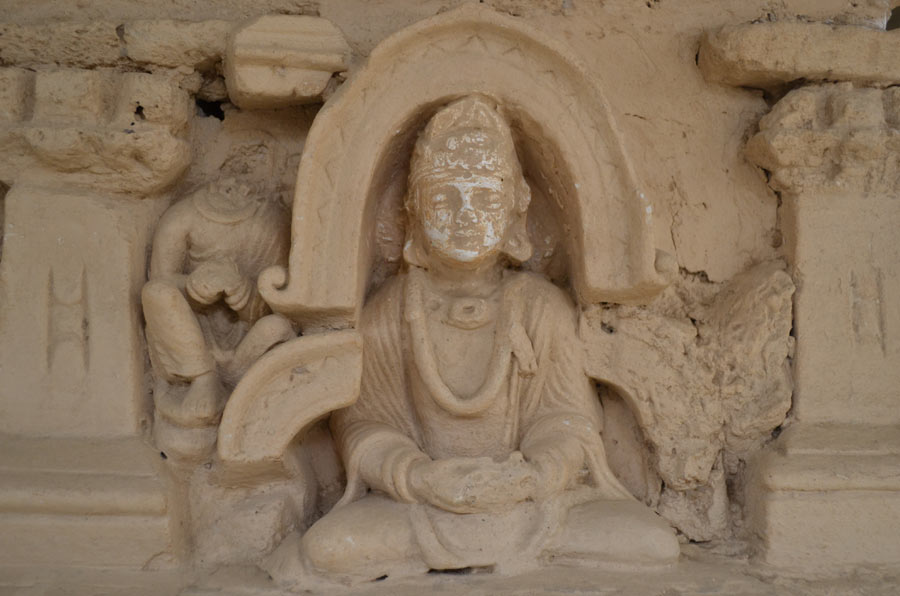
Gandhara reached its cultural and artistic zenith under the Kushan Empire between the 1st and 5th centuries CE. During this period, Buddhist monasteries, stupas, and universities flourished, and Gandhara became one of the most important centers of Buddhist learning and pilgrimage. The era also gave rise to the distinctive Gandhara Art, which blended Hellenistic artistic techniques with Buddhist iconography. For the first time in history, the Buddha was depicted in human form with classical Greco-Roman stylistic features—flowing robes, naturalistic expressions, and detailed sculptures that profoundly influenced Buddhist art across China, Korea, and Japan.
Although the region’s Buddhist institutions declined after the early medieval period and the conquest by Mahmud of Ghazni in 1021 CE, the archaeological remains of Gandhara survived beneath the soil for centuries. Modern excavations have revealed hundreds of sites that collectively narrate the story of this once-thriving Buddhist civilization.
Today, the Buddhist Heritage of Gandhara Tour offers travelers an immersive journey through these historical landscapes. The tour begins in Lahore, a vibrant cultural capital where Mughal architecture and living traditions introduce visitors to Pakistan’s rich historical continuum. A visit to the ceremonial border closing at Wagah Border provides an engaging cultural experience before the journey proceeds toward the Gandhara heartland.
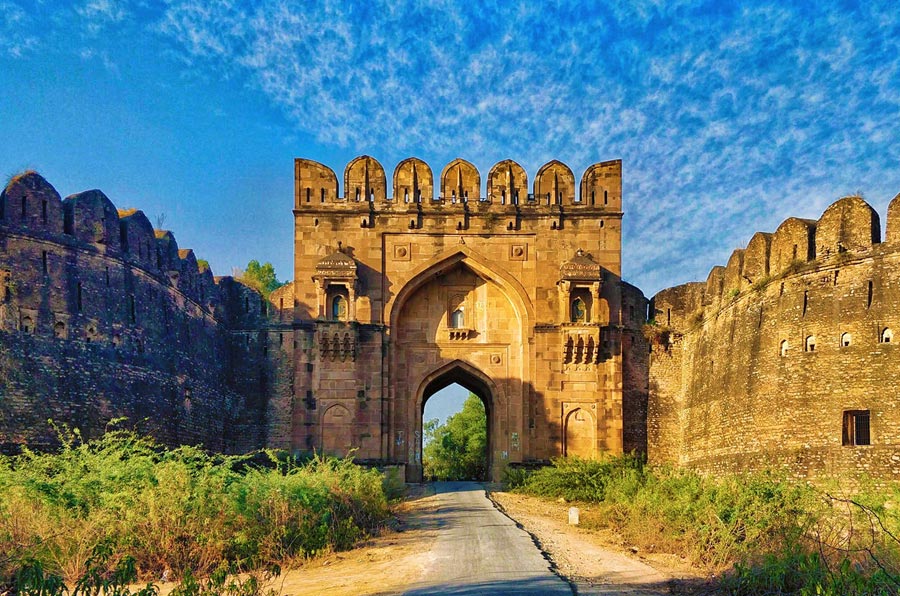
Traveling north, visitors stop at the monumental Rohtas Fort, a UNESCO-recognized fortress that reflects the region’s later Islamic military architecture. The route then leads to the renowned archaeological complex of Taxila, a UNESCO World Heritage Site and one of the most important centers of Gandharan civilization. Here, travelers explore ancient monasteries, stupas, and the world-class Taxila Museum, which houses exquisite sculptures and relics from the Gandhara period.
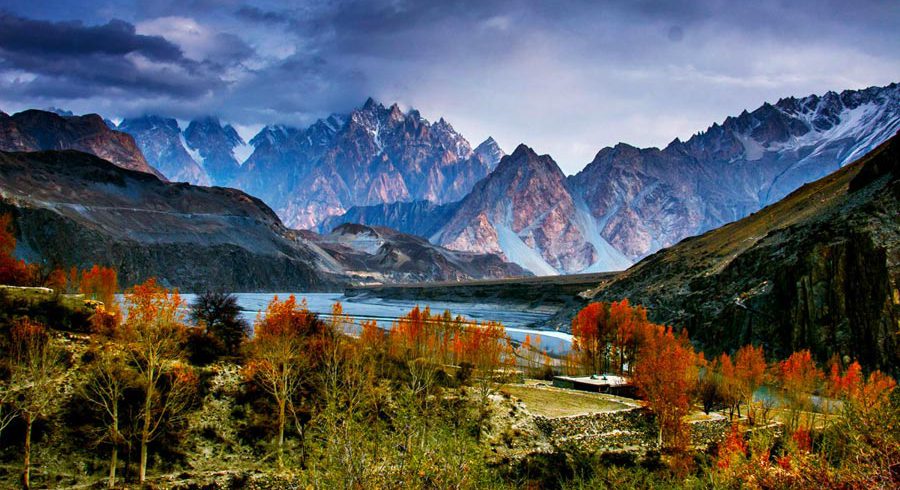
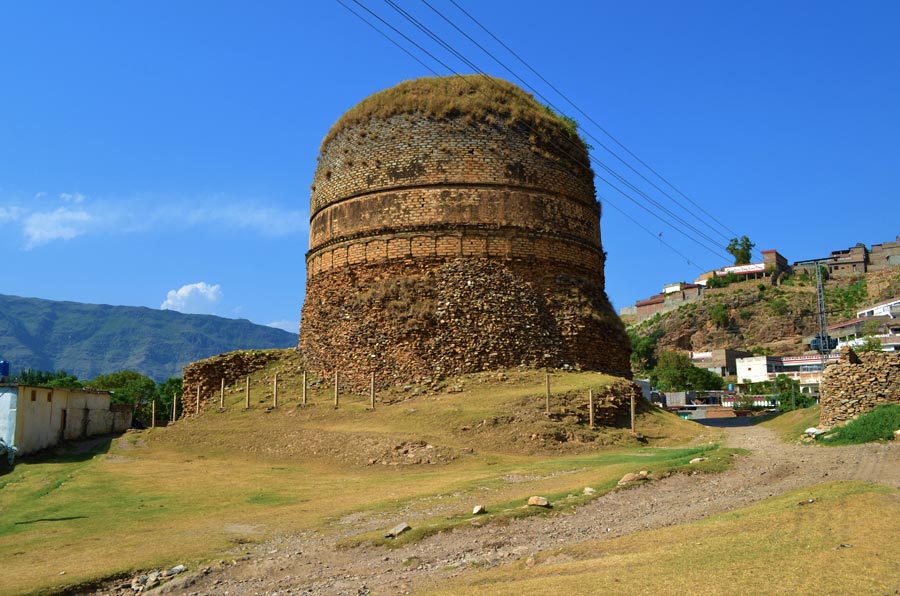
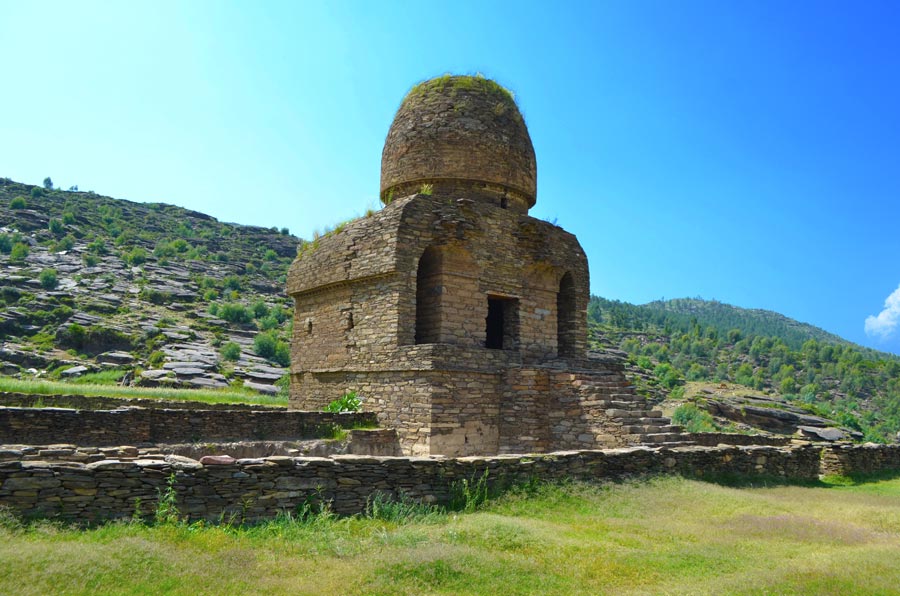
Continuing into the picturesque Swat Valley, often described as the cradle of Buddhist civilization in Pakistan, visitors encounter numerous archaeological remains, including stupas and monasteries that once welcomed monks and scholars from across Asia. The valley’s tranquil landscapes mirror the serenity that once inspired Buddhist contemplation and scholarship.
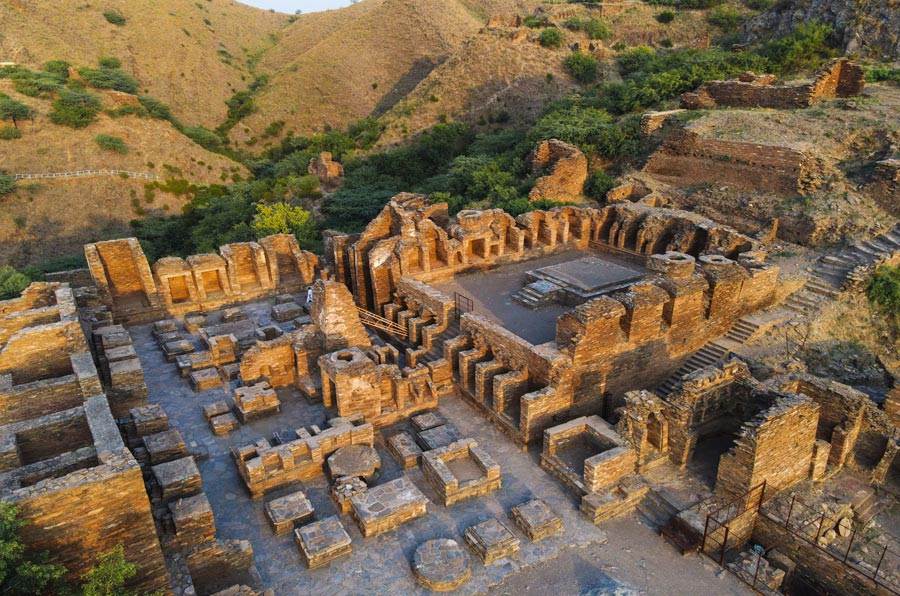
Another highlight of the journey is Takht-i-Bahi, one of the best-preserved Buddhist monastic complexes in the world and a UNESCO World Heritage Site. Perched on a hilltop near Mardan, this remarkable complex offers a rare glimpse into the daily life of Buddhist monks during the Gandharan era.
The tour concludes in Peshawar, historically known as Purushapura, which once served as the capital of the Kushan Empire. The city’s rich heritage includes the Peshawar Museum, home to one of the largest collections of Gandharan art in the world.
Together, these destinations form a compelling narrative of faith, art, and cultural exchange. The Buddhist Heritage of Gandhara Tour is therefore not merely a sightseeing journey—it is an exploration of a civilization that shaped Buddhist philosophy, art, and culture across Asia. For historians, pilgrims, and culturally curious travelers alike, this route offers a rare opportunity to walk through the ancient landscapes where Buddhism once flourished and where the legacy of Gandhara continues to inspire the world.
Highlights
- Discover the ancient Buddhist civilization of Gandhara.
- Explore the UNESCO World Heritage site of Taxila and its renowned Taxila Museum.
- Visit the well-preserved Buddhist monastic complex of Takht-i-Bahi.
- Experience the scenic landscapes and Buddhist heritage of Swat Valley.
- Discover Gandharan art and relics at Peshawar Museum in Peshawar.
- Enjoy cultural sightseeing in the historic city of Lahore.
- Visit the impressive Rohtas Fort, a UNESCO-listed historic fortress.
- Witness the famous flag-lowering ceremony at Wagah Border.