Overview
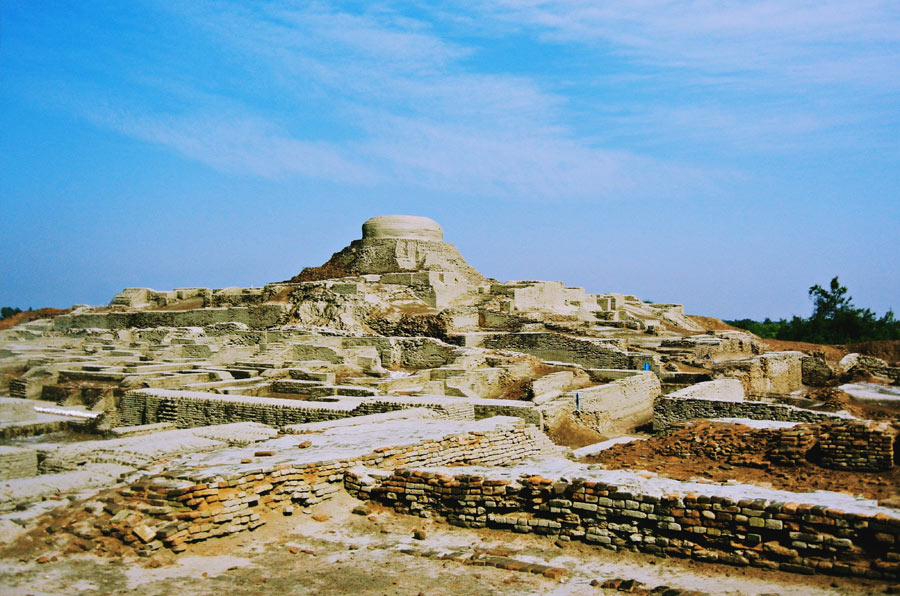
The Indus Valley Civilization was not a static phenomenon confined to a few excavated cities; it was a dynamic, river-oriented cultural system that expanded, adapted, and gradually shifted across the Indus basin over nearly a millennium (c. 3300–1300 BCE). Its core emerged in the fertile lower Indus plains of present-day Sindh, where sites like Mohenjo-daro demonstrate the mature phase of urbanism—planned grids, standardized brick sizes, elaborate drainage systems, granaries, and public baths. These features indicate not only architectural sophistication but also centralized planning, regulated trade, and civic governance.
Archaeological evidence suggests that as environmental conditions shifted—particularly changes in river courses and possible aridification—settlements gradually expanded eastward and upstream into the upper Indus and Ghaggar-Hakra regions. Communities moved toward more stable water sources and agriculturally viable zones. In Punjab, Harappa became a major northern urban node, linking the lower Indus with trade routes extending toward Central Asia.
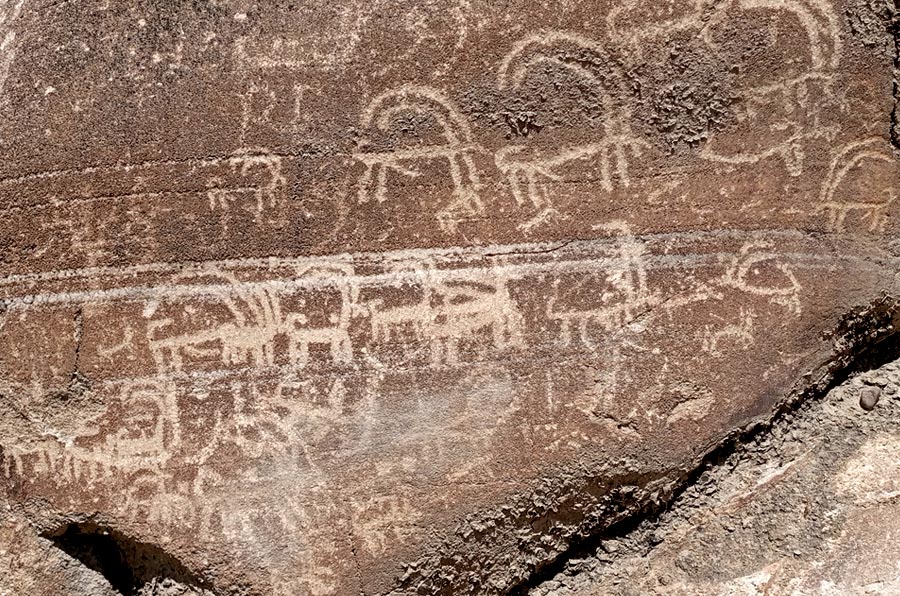
Further north along the Indus corridor, smaller Harappan outposts appeared in regions that today fall along the route toward Gilgit-Baltistan. Though not urban centers on the scale of Mohenjo-daro or Harappa, these sites indicate trade penetration and cultural diffusion. The Indus functioned as a natural highway, facilitating the movement of goods such as lapis lazuli, carnelian, and metals. Over time, this riverine mobility fostered interaction with highland communities and laid the groundwork for later trans-regional exchange networks that would evolve into Silk Road connections.
The civilization’s most enduring imprint lies in its urban planning principles and material culture:
- Standardization: Uniform baked bricks and calibrated weights suggest regulated commerce and administrative oversight.
- Water Management: Sophisticated drainage and well systems illustrate advanced hydrological knowledge.
- Trade Networks: Seals bearing undeciphered script and animal motifs reflect economic exchange extending as far as Mesopotamia.
- Craftsmanship: Bead-making workshops, metallurgy, pottery, and terracotta figurines reveal specialized labor and artistic refinement.
Even after urban decline, Late Harappan communities persisted, carrying forward agricultural practices, craft traditions, and settlement patterns into eastern Punjab and beyond.
Travelers tracing the Indus from south to north encounter tangible remnants of this ancient civilization:
- At Mohenjo-daro: the Great Bath, assembly halls, granary platforms, and the original street grid.
- At Harappa: defensive mounds, cemetery remains, craft areas, and a well-curated site museum displaying seals and artifacts.
- At Kot Diji Fort (near Khairpur): earlier pre-Harappan layers showing developmental stages of urbanization.
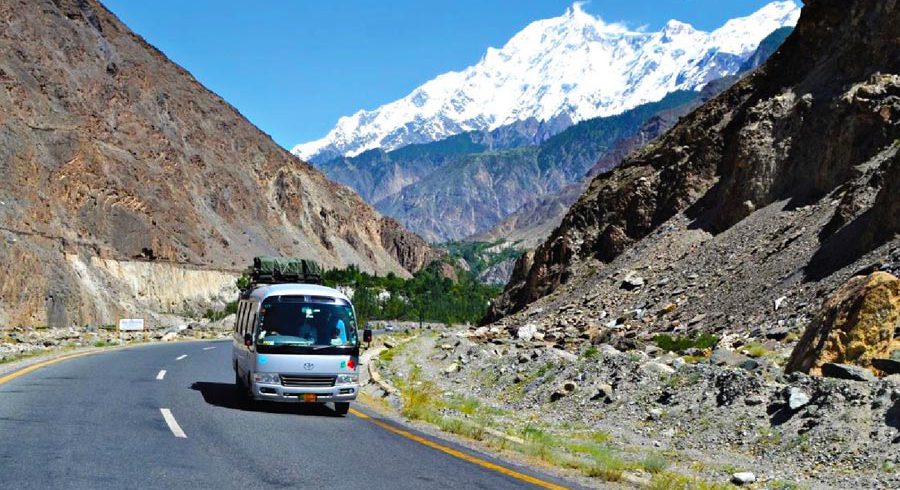
As the journey continues north along the Karakoram Highway toward Khunjerab Pass, the narrative shifts from Bronze Age urbanism to the enduring geographic artery that once enabled its expansion. While monumental ruins diminish in the high mountains, the Indus River itself remains the living legacy—still carving valleys, sustaining settlements, and symbolically binding the plains to the peaks.
Thus, the Indus Valley Civilization’s role was foundational: it established urban order, trade networks, and hydrological mastery across a vast landscape. Its people moved with the river, adapted to environmental flux, and left behind a cultural blueprint whose traces remain embedded in Pakistan’s terrain and historical continuum.
Highlights
- Explore the UNESCO-listed ruins of Mohenjo-daro — one of the world’s earliest planned cities with its Great Bath, granaries, and grid-based streets.
- Discover the ancient urban center of Harappa and its fascinating museum showcasing seals, pottery, and Bronze Age artifacts.
- Visit Makli Necropolis, one of the largest funerary sites in the world, reflecting centuries of Sindhi-Islamic architecture.
- Witness early defensive architecture at Kot Diji Fort, representing pre-Harappan cultural layers.
- Experience the spiritual ambiance of Multan, the “City of Saints,” known for its blue-tiled Sufi shrines.
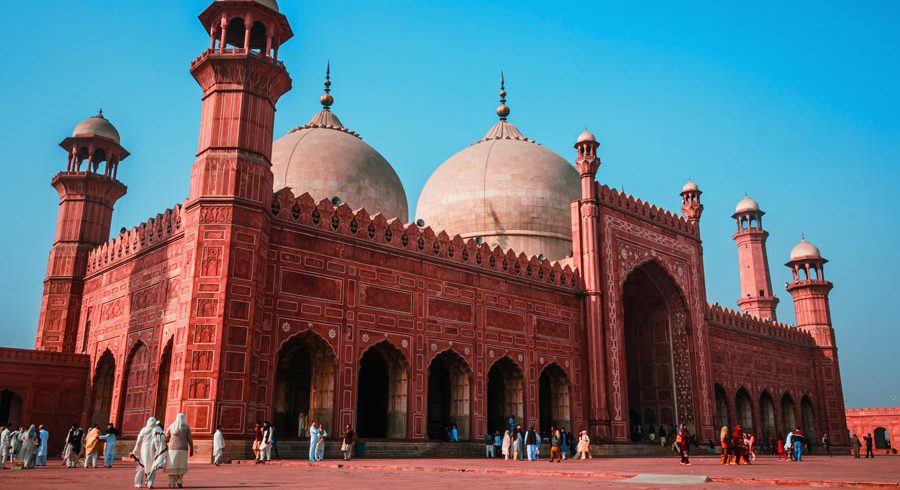
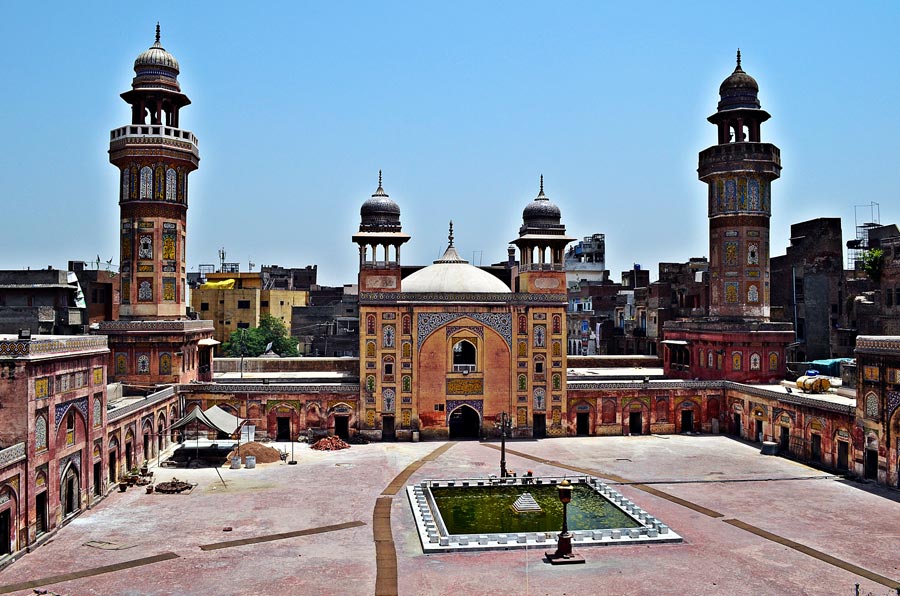
- Explore the Mughal grandeur of Lahore, including its imperial architecture and vibrant old city heritage.
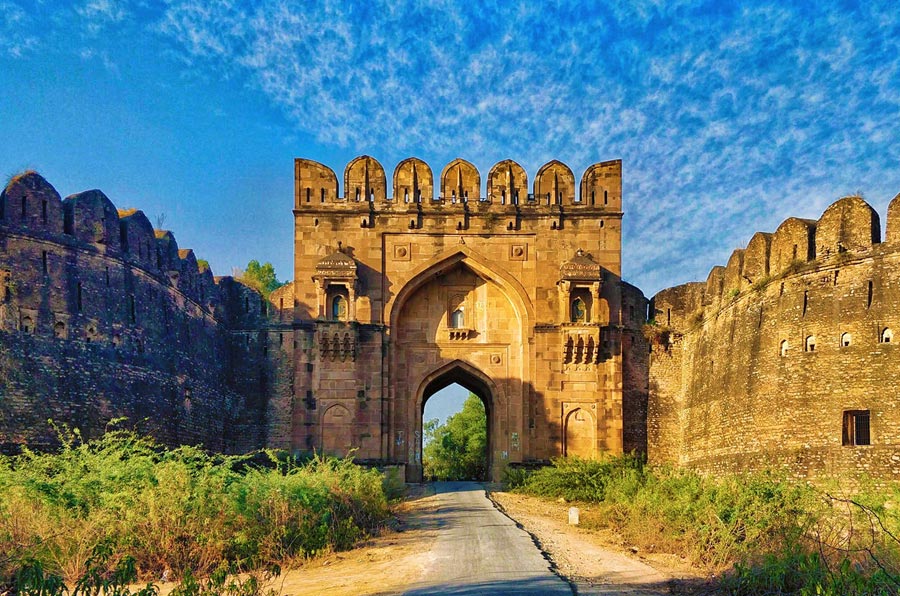
- Visit the formidable Rohtas Fort, a masterpiece of 16th-century military architecture.
- Discover the Gandharan Buddhist heritage at Taxila, an ancient center of learning and crossroads of civilizations.
- Drive along the legendary Karakoram Highway, following ancient trade corridors carved along the Indus River.
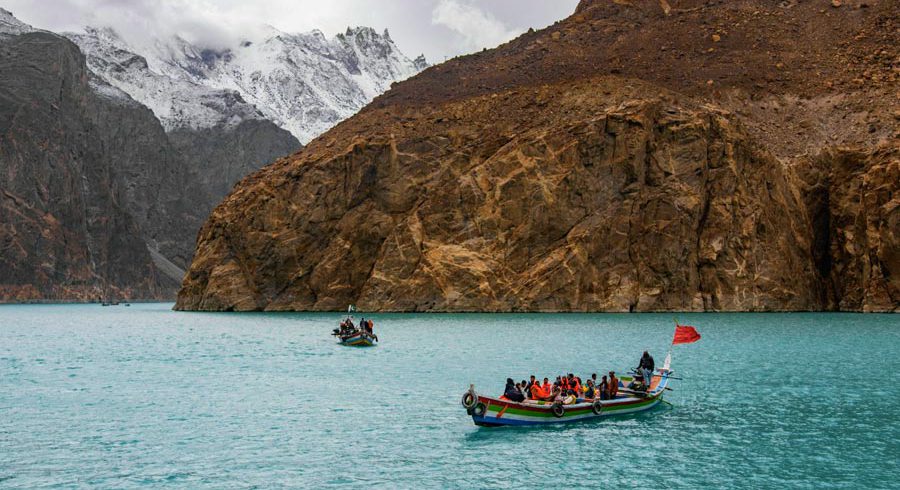
- Marvel at dramatic mountain landscapes in Gilgit-Baltistan, where the Indus cuts through deep gorges and towering peaks.
- Explore the historic forts and panoramic viewpoints of Hunza Valley, once a key node on ancient trans-regional trade routes.
- Reach the spectacular Khunjerab Pass at 4,693 meters — the highest paved international border crossing in the world.
- Follow the living course of the Indus River from the Arabian Sea to the high Karakoram, tracing 5,000 years of civilization, migration, and cultural continuity.